
This post will help you to calculate how many calories you burn cycling, and to see how you can make cycling part of your weight loss journey. Embarking on a weight loss journey can be challenging, but incorporating cycling into your routine is an excellent strategy. Cycling not only aids in burning calories but also enhances cardiovascular health, boosts mental well-being, and is gentle on the joints—making it particularly suitable for those carrying extra weight. In this comprehensive guide, we’ll delve into the specifics of calorie expenditure during cycling and provide actionable tips to maximize weight loss through this enjoyable activity.
Related Post: What Is the Optimal Frequency of HIIT Training on a Bike to Increase VO₂ Max?
Understanding Calorie Burn During Cycling
If you are observant, it is not hard to notice that cyclists tend to be leaner than the average person.

 If you are observant, it is not hard to notice that cyclists tend to be leaner than the average person
So how does this work? Why are so many cyclists lean? Why have you never seen a fat cyclist finishing the Tour de France? Well, the fact is that cycling burns a whole lot of calories. The precise number of calories burned while cycling depends on several factors:
Body Weight: Heavier individuals expend more energy to propel themselves, leading to higher calorie burn.
Cycling Intensity: Speed and resistance (such as hills or wind) play significant roles; higher intensities result in greater calorie expenditure.
Duration: Longer rides naturally burn more calories.
Metabolic Efficiency: Individual metabolic rates can influence calorie burn, with some people burning calories more efficiently than others
Estimating Calories Burned while Cycling
To estimate your calorie burn, consider the following method:
Step 1: Convert Weight to Kilograms: Divide your weight in pounds by 2.2. For example, a 180-pound individual weighs approximately 81.8 kg.
Step 2: Determine MET Value: Cycling at a moderate pace (12-14 mph or 19-22.5 km/h) has a MET (Metabolic Equivalent of Task) value of about 8.
Step 3: Apply the Formula:
Calories Burned per Hour = MET × Weight (kg) × 1 hour
For our example:
8 × 81.8 × 1 = 654.4 calories/hour
This person would burn approximately 654 calories per hour cycling at a moderate pace.
For personalized calculations, online tools like the Cycling Calorie Calculator can be helpful.
Related Post: A Guide for Fat Cyclists
Weight Loss Potential Through Cycling
Weight loss fundamentally revolves around creating a calorie deficit, where calories burned exceed calories consumed. Since approximately 3,500 calories equate to one pound of body weight, burning an extra 500 calories daily can lead to a weight loss of about one pound per week (Harvard T.H. Chan School of Public Health).
Cycling regularly can significantly contribute to this deficit. For example:
Cycling for one hour at a moderate pace, three times a week can result in burning 1,963 calories weekly (654 calories per session x 3 sessions).
Over a month, this adds up to 7,852 calories burned, potentially leading to a weight loss of over two pounds per month—assuming dietary intake remains consistent. This part is tricky, but it can be done if you put your mind to it.
Over a year, this routine could contribute to a weight loss of 24+ pounds, even without changing your diet.
If you increase intensity (e.g., riding faster or including hills or HIIT (High Intensity Interval Training), your calorie burn and weight loss potential will be even greater.
 |  |
 |  |
 | |
Practical Tips for Overweight People Starting Cycling
Start Gradually – Begin with shorter sessions (20-30 minutes) at a comfortable pace to allow your body to adapt. Gradually increase duration and intensity.
Set Realistic Goals – Aim for a sustainable weight loss of up to 1 kg (approximately 2.2 pounds) per week. Rapid weight loss can lead to muscle loss and fatigue (Bikeradar).
Incorporate High-Intensity Intervals (HIIT) – Short bursts of high-speed cycling followed by recovery periods can boost metabolism and enhance fat burning.
Related Post: 7 Reasons to do High Intensity Interval Training (HIIT) on Your Bike – and How to Do It
Track Your Progress – Use a fitness tracker or cycling app (like Strava or MyFitnessPal) to monitor distance, speed, and calorie expenditure.
Make It a Habit – Incorporate cycling into daily routines, such as commuting to work or running errands by bike instead of driving.</li>
Consider Bike Commuting – In my own experience, the key was to embrace bike commuting. When I bike commuted every day, I lost weight effortlessly, without even thinking about it. Why? Because every morning I was outdoors exercising, before I even had time to think about it. Often, before the sun was even up. And then at the end of the day, I had no choice but to exercise again, in order to get home. So I was basically doing ten workouts a week. And burning thousands of extra calories. Of course, this is not feasible for everyone.
Cycling Indoors: A Great Alternative for Beginners
If you’re self-conscious about riding outdoors or live in an area with extreme weather, indoor cycling can be a fantastic option.
Stationary Bikes – Many gyms have stationary bikes, or you can invest in one for home use.
Bike Trainers – These devices convert your regular bicycle into an indoor trainer, allowing you to cycle year-round.
Virtual Cycling Apps – Platforms like Zwift or Rouvy or Peloton provide engaging workouts with virtual cycling routes and trainer-led sessions.
For those looking to get started indoors, check out our in-depth comparison of the 7 best budget indoor bike trainers here.
Related Post: Five Tips to Make Indoor Cycling More Comfortable
Success Stories: Real-Life Weight Loss Through Cycling
Many individuals have successfully lost weight through consistent cycling. For example:
Mark’s Journey: “I started cycling at 250 lbs, doing 30-minute rides three times a week. Within six months, I had lost 30 lbs and felt fitter than ever!”
Lisa’s Transformation: “Cycling to work daily helped me shed 40 lbs in a year without even thinking about it!”
My own story: “Cycling to work every day helped me to lose 60 lbs, and also to get into the best shape of my adult life.”

 I personally lost a whole lot of weight cycling
These stories highlight that cycling is not just about weight loss but also about improving overall fitness, confidence, and mental well-being. The more weight you lose, the faster you will go, the more calories you will burn, the more weight you will lose, the faster you will go … it’s great to be stuck in a GOOD cycle! With so many calories burned cycling, it’s no wonder so many cyclists end up in such good shape!
Final Thoughts: Why Cycling is One of the Best Ways to Lose Weight
Cycling is an effective, low-impact, and enjoyable way to burn calories and shed excess weight. It allows you to exercise at your own pace, explore scenic routes, and make fitness a fun part of daily life. If you’re overweight and considering cycling for weight loss, remember: Every ride counts! Start small, stay consistent, and enjoy the journey towards a healthier, leaner, and happier you.
Happy cycling!
References used in this Post
 | |  |
Related Posts
Related Post: Heartwarming Video – How Cycling Saved Phil’s Life
Related Post: How Cycling Can Help You to Lose Weight
Related Post: 10 Top Reasons to be a Bike Commuter
Related Post: How to Become a Bike Commuter – 7 Tips to Plan for Success for Women Bike Commuters
Related Post: 7 of the Best Budget Indoor Trainers
Related Post: 5 of the Best SMART Indoor Trainers for Effective Indoor Training
Related Post: Our Guide for Fat Cyclists, will give you a LOT of encouragement about going out and cycling, even if you don’t look like a greyhound.
Related Post: How Many Calories Can You Burn Riding an Ebike?
Related Post: Top Ten Tips to Lose Weight Cycling
 |  |
 |  |
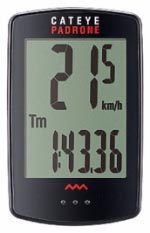 About $55. Please click here for current best price on Amazon. |  |
 | |

Leave a Reply