• Home
  • SUBSCRIBE!
  • Garmin Edge Bike Computers
    • Garmin Edge Bike Computers Compared
      • Garmin Edge 540 vs 840 vs 1040: Complete Comparison with Chart
      • Garmin Edge 1040 vs 1030 Plus: What’s the Difference?
      • ALL GARMIN EDGE BIKE COMPUTERS COMPARED: 130 Plus vs Explore vs 530 vs 830 vs 1030 Plus
      • Garmin Edge 1040 vs 1030 Plus vs 830 vs 530 Bike Computers: In-Depth Comparison, Reviews and Videos
      • Garmin Edge 530 vs 830: What’s the Difference?
      • Garmin Edge 1030 Plus vs Garmin Edge 1030. What’s the Difference?
      • Garmin Edge 1030 Plus vs. 130 Plus – Premium vs. Budget Bike Computers
      • Garmin Edge 830 vs 820: What’s the Difference?
    • Which is the Best Garmin Edge Bike Computer?
      • Which Garmin Edge Bike Computer has the Longest Battery Life?
      • Which Garmin Edge Bike Computer is Best for Mountain Biking?
    • Are Garmin Edge Bike Computers Worth It?
    • Garmin Edge vs. Wahoo Bike Computers
      • Garmin Edge 530 vs Wahoo ELEMNT Bolt
      • Garmin Edge 130 Plus vs Wahoo ELEMNT Bolt: Which is Better?
      • Garmin Edge 520 Plus vs Wahoo ELEMNT
    • 9 Great Upgrades to the Garmin Edge 530
    • 9 New Features in the Garmin Edge 830
    • The New Garmin Enduro Smart Watch – a Good Choice for Cyclists?
  • About
    • Start Here!
    • Contact Us
  • Product Reviews
    • 7 Great Budget Bikes You Can Buy on Amazon in 2025
    • 7 of the Best Budget E-bikes under $1000 for 2025
    • Bike Computer Reviews
      • 7 of the Best Budget Bike Computers for 2025
      • All Garmin Edge Bike Computers Compared: Edge 130 Plus vs Explore 2 vs 530 vs 830 vs 1030 Plus vs 1040
      • Best Cheap Bike Computers Under $65 – Includes Budget Wireless Computers
      • Best Bike Computers – Includes CatEye, Garmin, and Wireless Bike Computers
      • Quick Links to our Best Posts about Bike Computers
    • Cycling Gear Reviews
      • How to Choose the Best Cycling Balaclava
        • 7 of the Best Cycling Balaclavas to Keep Your Head Warm this Winter
      • 7 of the Best Waterproof Cycling Jackets for Men and Women
        • 7 of the Best Women’s Cycling Jackets – Waterproof and Windproof
        • The Three Different Kinds of Cycling Jackets
        • Showers Pass Elite 2.1 Waterproof Cycling Jacket Review
        • Best Cheap Cycling Jackets under $100
        • Best Windproof Cycling Jackets
      • 7 of the Best Waterproof Cycling Pants for Men and Women
        • Showers Pass Rogue Cycling Pants – Review by Mrs. Average Joe Cyclist
        • 3 Regular-Looking Pants that Work Well as Cycling Pants
      • Best Waterproof Cycling Gear for Men and Women
      • 7 of the Best Cycling Jerseys
        • Two of the Best Women’s Cycling Jerseys: Pearl Izumi and Sugoi
      • 7 of the Best Dog Bike Baskets and Dog Carriers for 2025
      • Adidas Cycling Glasses – Review after Eight Years of Use
      • The New Garmin Enduro Smart Watch – Is it a Good Choice for Cyclists?
    • Garmin Edge and Wahoo Bike Computers
      • Garmin Edge Bike Computers Compared: Versus Posts!
        • ALL GARMIN EDGE BIKE COMPUTERS COMPARED: 130 Plus vs Explore vs 530 vs 830 vs 1030 Plus
      • Garmin Edge vs. Wahoo Bike Computers
        • Wahoo ELEMNT Bolt vs. Garmin Edge 130 Plus Bike Computers: In-Depth Comparison, with Videos
        • Garmin Edge 520 Plus vs Wahoo ELEMNT
      • Garmin Varia Vision and Varia Rear Light Radar
      • How to Upload Your Bike Rides to Strava While Garmin Connect is Down
    • Bike Pannier Reviews
      • 7 of the Best Waterproof Bike Panniers
      • Review of Two Wheel Gear Convertible Panniers/Backpack
      • Ortlieb Bike Panniers – Best for Touring and Commuting
      • Two Wheel Gear Classic 3.0 Garment Pannier for Bike Commuters – Review by Mrs. Average Joe Cyclist
      • Best Commuter/Bike Touring Panniers: Two Wheel Gear Classic 3.0 Garment Pannier Review
    • Bike Light Reviews
      • Complete Guide to Bike Lights
        • Best Budget Bright Bike Headlight – Lumintrail Review
        • Best Bike Light under $40 – Serfas Thunderbolt Tail Light Review
        • 7 of the Best Bike Lights for Night Riding and Commuting in 2024
        • Reelight Rl721 Bike Lights Review – Lights that are ALWAYS on
        • How to Choose the Best Bike Light
      • When to Use Flashing Bike Lights
      • Quick Links to Our Best Posts about Bike Lights
    • Bike Saddle Reviews
      • 9 of the Best Road Bike Saddles for 2025
      • How to Find the Right Height and Setback for Your Bike Saddle
      • Zacro Gel Seat Cover – a Budget Solution for Saddle Discomfort
    • Headphone Reviews
      • Best Headphones for Safe Cycling
      • Aftershokz XTrainerZ Headphones – Open-Ear, Bone Conduction, Safe Headphones for Cycling AND Swimming
      • Review – AfterShokz Trekz Cordless Open Ear Bone Conduction Headphones for Safe Cycling
      • Jaybird Tarah Wireless Headphones Review
  • Bike Computer Reviews
    • Best Cheap Bike Computers Under $65 – Includes Budget Wireless Computers
    • Garmin Edge Bike Computers
      • Garmin Edge Bike Computers Compared
        • ALL GARMIN EDGE BIKE COMPUTERS COMPARED: 130 Plus vs Explore vs 530 vs 830 vs 1030 Plus
        • Garmin Edge 1030 Plus vs Garmin Edge 1030. What’s the Difference?
      • Garmin Edge vs. Wahoo Bike Computers
        • Garmin Edge 530 vs Wahoo ELEMNT Bolt
        • Wahoo ELEMNT Bolt vs Garmin Edge 130 Plus Bike Computers: In-Depth Comparison, with Videos
        • Garmin Edge 520 Plus vs Wahoo ELEMNT
        • Garmin Edge 520 vs. Wahoo ELEMNT
    • 7 of the Best Budget Bike Computers for 2025
    • Quick Links to our Best Posts about Bike Computers
    • Best Bike Computers – Includes CatEye, Garmin, and Wireless Bike Computers
    • 9 Great Upgrades to the Garmin Edge 530 – Garmin’s Game-Changing GPS Bike Computer
  • Health Benefits
    • Cycling and Health
      • How to Come Back from a Cycling Injury
      • Piriformis Syndrome in Cyclists – How to Prevent and Cure It
      • A Step-by-step Guide to Returning to Cycling After Severe Piriformis Syndrome
      • Exercises and Stretches for Piriformis Syndrome in Cyclists
      • Returning to Cycling and Swimming after Severe Piriformis Syndrome: A Step-by-Step Plan
    • Cycling Weight Loss
      • A Guide for Fat Cyclists
      • How Cycling Can Help You to Lose Weight
      • The Top 10 Ride Your Way Lean Eating Rules – How to Burn Fat on a Bike
      • 7 Steps to Lose Weight Cycling
      • How Many Calories Do You Burn Cycling? A Comprehensive Guide for Overweight People Aiming to Lose Weight
      • How Many Calories Can You Burn Riding an Ebike?
      • Top 10 Tips to Lose Weight Cycling
      • Our Best Lose Weight with Cycling Posts
      • Is it Possible to Lose Weight with Intermittent Fasting and Fasted Cycling Training?
    • Cycling and Aging
      • Science Shows HIIT on a Bike is the Best Exercise to Fight Aging – And We Show You How to Do it!
      • 5 Great Reasons to Take Up Cycling During Retirement
      • Science Says Exercise is a Miracle Cure and Protects You from Diseases
      • Science Proves Cycling Can Help You to Stay Strong as You Age
      • Science Shows that Cycling Really Does Fight Aging
      • 7 Tips to Help You Keep Mountain Biking after Age 40
      • Case Studies: Three Seniors who Regained their Health with E-Bikes
    • Cycling Knee Pain
      • 5 Doctor’s Tips to Start Cycling Again after Knee Replacement Surgery
      • Video: 3 Exercises for Cycling Knee Pain
      • 7 Easy Tips to Prevent Cycling Knee Pain
      • How to Cure Cycling Knee Pain with a Miraculous, Cheap Cure
    • Cycling and Strength
      • Top 7 Strength Building Exercises for Cyclists
      • 5 Great Strength Exercises for Cyclists
      • Science Says Cycling Can Help You to Stay Strong as You Age
      • How Strength Training Can Boost Your Cycling Speed and Quality of Life
    • Cycling and Sleep
      • How Cycling Helps You to Sleep Better and Get Healthier
      • One in Three Cyclists Experience Reduced Stress Levels
      • Why Cycling May Be the Sleep Aid You Need
      • How I Became a Bike Commuter and Shed Stress Immediately
    • Cycling and Brain Health
      • Science Shows Five Ways that Cycling Boosts Your Brain Function
      • Research Shows that Cycling Makes Your Brain Grow
    • Kids biking
      • 7 Steps to Teach a Child to Ride a Bike
      • 7 of the Best Baby and Child Bike Seats to Keep Your Child Safe – Reviews and Videos
      • 7 Tips for Parents to Keep your Kids Safe on their Bikes
      • How to Transport Kids on Bikes (Video and Infographic)
      • Babies and Bikes: How to Help Your Kids to Get Active
      • How to Encourage Kids to Ride Bikes
        • How to Help your Kids Bike to School
A Blog for Average People who LOVE to ride bikes!

Average Joe Cyclist

A Blog for Average People who LOVE to ride bikes!

  • Cycling Training Plans
    • Our Most Successful Cycling Training Plans
    • How to Get Bike Fit: Complete Bike Training Plan
    • Complete Guide to Using Power Zones for Cycling Training
    • Average Joe Cyclist’s Beginner Cyclist Training Plan: Phase 1
    • Average Joe Cyclist’s Beginner Cyclist Training Plan: Phase 2 – Interval Training
    • Average Joe Cyclist’s Beginner Cyclist Training Plan: Phase 3 – Preparing for Your First Race
    • 7 Reasons to do High Intensity Interval Training (HIIT) on Your Bike – and How to Do It
    • Top 7 Strength Building Exercises for Cyclists
    • Science Shows HIIT on a Bike is the Best Exercise to Fight Aging – And We Show You How to Do it!
    • Workouts and Stretching for Cyclists
      • Complete Guide to Stretching for Cyclists
      • Stop Doing Crunches! 10 Minute Complete Core Workout for Cyclists
      • 5 Benefits of Cross Training for Cyclists
    • How to Protect Your Testosterone Levels from Over-Training
    • Research shows Amazing Benefits of Sprint Intervals in Cycling
  • Indoor Cycling Training
    • 7 of the Best Budget Indoor Bike Trainers
    • 5 of the Best Smart Indoor Trainers for Effective Indoor Training
    • How to Set Up a Zwift Indoor Training System on Any Budget
    • Guide to Smart Turbo Indoor Trainers
    • How to Get Started with Stationary Biking: A Guide to Stationary Bikes
  • Cycling with Dogs
    • 7 of the Best Dog Bike Baskets and Dog Carriers for 2025
    • How to Train Your Dog to Safely Run Next to You When You Are Cycling
    • Complete Guide to Taking Your Dog on Bike Rides in a Bike Basket
    • 6 Steps to Gently Train Your Dog to Go On Bike Rides With You
  • Lose Weight!
    • Cycling and Weight Loss
      • 7 of the Best Budget Indoor Bike Trainers for 2024
      • 5 Quick and Easy Tips to Lose Weight Cycling
    • Our Best Lose Weight with Cycling Posts
    • Cycling Nutrition
      • Best Matcha Tea for Cyclists: My Matcha Life
        • How to Make Matcha Tea
      • How Protein Helps your Post Bike Ride Recovery
      • 5 Best Protein Supplements for Exercise Recovery and Health
    • Cycling Training Plans
      • How to Set Up a Zwift Indoor Training System on Any Budget
      • Average Joe Cyclist’s Beginner’s Bike Training Plan
    • Cycling and Health
  • Tips & How-Tos
    • How to Prevent & Cure Cycling Knee Pain
      • Video: 3 Exercises for Cycling Knee Pain
      • 5 Doctor’s Tips to Start Cycling Again after Knee Replacement Surgery
    • How to Change Gears on a Bike – Beginner’s Guide
    • Bike maintenance
      • How to Fix a Flat Bike Tire
      • How to Get Your Bike Ready for Safe Winter Cycling
    • Top 10 Tips to Keep your Bike from being Stolen
    • Smart Phone vs a Bike Computer for Recording Bike Rides – Which is Better?
    • How to Set Up a Zwift Indoor Training System on Any Budget
    • Do You Need a Cycling Jersey?
    • Complete Guide to How to Buy and Sell Bikes on Craigslist
      • How to Buy Used Bikes on Craigslist (and Other Online Marketplaces)
    • How to Understand Bike Terminology
    • 5 Things You Need to Know about Hydration for Cyclists
      • Hydration for Cycling – How Much Fluid do You Need?
  • Bike Commuting
    • Bike Commuting Tips
      • Top 10 Tips on How to Avoid a Sore Butt from Cycling
      • How Women Cyclists Can Prevent Saddle Soreness and Associated Issues
      • How to Choose the Best Bike Light
      • The 7 Biggest Mistakes People Make When They Try to Start Bike Commuting
      • 7 Tips for Going Car-Free
      • Can Cycling Cause Penis Numbness, Erectile Dysfunction, and Prostate Cancer?
      • Best Bike Light under $40 – Serfas Thunderbolt Tail Light Review
      • 5 Ways to Stay Visible in Traffic When Cycling
      • The 7 Biggest Mistakes People Make When They Try to Start Bike Commuting
      • 7 Helpful Tips for New Bike Commuters – Don’t Start Bike Commuting Until You Read This!
    • Winter Cycling
      • Safe Winter Cycling – How to Cycle Safely in the Winter
      • How to Dress for Winter Cycling – Cycling Clothes that will Keep You Warm and Dry
      • Our Top Tips to Keep You Warm and Dry for Fall and Winter Cycling
      • How to Get Your Bike Ready for Safe Winter Cycling
      • Quick Links to Our Best Posts about Cold Weather Cycling
    • Safety for Cyclists
      • Top 10 Tips to Not Get Hit by a Car on Your Bike
      • When to Use Flashing Bike Lights
      • 7 of the Best Bike Lights for Night Riding and Commuting
      • Aftershokz XTrainerZ Headphones – Open-Ear, Bone Conduction, Safe Headphones for Cycling AND Swimming
      • Best Budget Bright Bike Headlight – Lumintrail Review
    • Benefits of Being a Bike Commuter
      • Survey Shows London Bike Commuters are Happier and More Productive
      • What Is the Function of Myelin in the Body?
      • Research Shows that Cycling Makes Your Brain Grow
    • Bike Maintenance
      • How to Get Your Bike Ready for Safe Winter Cycling
      • How To Clean Your Bike Chain the Easy Way
      • How to Fix a Flat Bike Tire
    • Cycling Infrastructure
      • 3 Reasons Why We Need Separated Bike Lanes
      • Research reveals a surprising benefit of separated bike lanes
      • Montreal Cycling, Part 3: Separated Bike Lanes – What Other Cities can Learn from Montreal
      • Cycling and the Post-Covid Transformation
You are here: Home / Cycling Training Plans / Complete Guide to Using Power Zones for Cycling Training

Complete Guide to Using Power Zones for Cycling Training

December 4, 2023 by Average Joe Cyclist

Power zones are at the core of cycling training, but what exactly are they? This post explains how power zones are used to create effective cycling training plans. After reading this post, you will know how to discover what your FTP is, and how to use this knowledge to do a cycling training plan based on power zones. Regardless of your current cycling level, a cycling training plan based on the science of exercise physiology will enable you to get fitter and faster as quickly and efficiently as possible.

In this ride report, the different colors represent different power zones. These power zones are based on your own individual FTP. This post will show you how this works, and why these power zones matter. Complete Guide to Using Power Zones for Cycling Training
In this ride report, the different colors represent different power zones. These power zones are based on your own individual FTP. This post will show you how this works, and why these power zones matter. The different colors – grey, blue, green, yellow – represent different power zones, as shown in the chart below in this post

Do you want to get fitter and faster, but you find cycling training plans confusing? Are you puzzled by the multi-colored graphs that pop up when you click on a potential training plan? Don’t worry, because in this post, all is explained. We explain what power zones are, how to figure out your own power zones, and how to use this knowledge to get the maximum and fastest benefit from your cycling training. By the time you have absorbed this post, you will be able to glance at a workout and instantly assess it, and know whether it makes sense for you. Trust us – you will see much faster improvement when you apply the science of exercise physiology to get the maximum improvement for every hour on your bike.

Must Read: Our Latest TOP Post
Garmin Edge 540 vs 840 vs 1040 - Complete Comparison with Chart Showing Differences and Similarities
In this post we make it easy for you to decide between the new 540 vs 840 vs 1040. Which of these premium bike computers would be best for you?

Related Post: 7 Reasons to Use a Power Meter

What Are Power Zones in Cycling?

Basically, power zones are intensities of cycling that directly relate to your level of cardiac effort and the associated metabolic response of your body. By “metabolic response,” we mean how your body fuels the ride. Your body has a choice of using oxygen, fat or glucose when you exercise, and the fuel sources it uses correlate to your power zones.
Equipment for Indoor Cycling Training that We Recommend
Wahoo Kickr
Wahoo Kickr SNAP - around $350
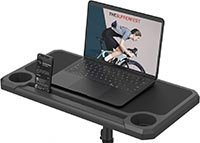
KOM Indoor cycling desk
KOM Indoor cycling desk - around $110
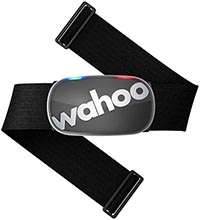
Wahoo TRACKR Chest Heart Rate Monitor - around $50
Wahoo TRACKR Chest Heart Rate Monitor - around $90
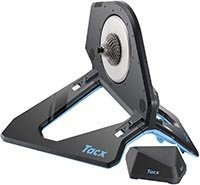
Garmin Tacx Neo 2T Smart Trainer - around $1400
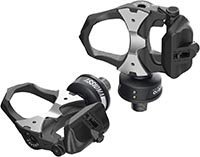
FAVERO Assioma Duo Side Pedal Based Power Meter
FAVERO Assioma Duo Side Pedal Based Power Meter - around $760

Why Should You Use Power Zones for Cycling Training?

Using power zones ensures that you get maximum value from the effort you expend. This is easier to understand if you compare it to a gym workout. Most of us would agree that a useful gym workout would involve going into a gym and then following a program of planned power expenditure. For example, start with 10 sets of bench presses with a weight of 150 pounds. Repeat 3 times. Then move onto a shoulder press using dumbbells weighing 15 pounds each. And so on. The alternative would be to just wander into the gym and randomly lift whatever weights happened to be lying around, while making your way in the general direction of the snack bar.

Undoubtedly, the first approach would pay bigger dividends in developing your physique and strength. Plus, you could then gradually increase your strength and grow your muscles by lifting progressively heavier weights.

In the same way, carefully planned cycling based on power expenditure and how long you maintain that power expenditure will have more effect than just getting on your bike and randomly pedaling at whatever speed you feel like towards the nearest coffee shop. And planned training enables you to gradually increase your speed and cycling fitness.

This post will show you how - and why - to use your FTP and power zones for effective cycling training. Complete Guide to Using Power Zones for Cycling Training
This post will show you how – and why – to use your FTP and power zones for effective cycling training

Newbie Gains in Cycling Fitness

The exception is something known as newbie gains. If you are brand new to working out, then for the first little while, pretty much any exercise in the gym is going to result in strength and muscle gains. However, after the first few months, you do have to get more structured.

The same is true of cycling. If you just bought your first bike five minutes ago, you will in fact make substantial speed and fitness gains just by riding it. As randomly as you like. However, after a few months, these gains will start to decrease. At some point, you are going to need structured workouts to continue to improve. And that is where structured training based on power zones becomes essential.

Related Post: Can Average Cyclists Do Zwift Workouts?

Progressive Overload

In order to work, structured training in both body building and cycling requires the same principle – progressive overload. In the gym, you add more weight, or lift the same weight more times. Pretty simple. However, how do you know you are progressively overloading on a  bike? Well, on the one hand, it’s pretty simple. A one-hour ride is obviously more demanding than a five-minute ride.

However, duration is just half the story. The other half of the story is power. How much power are you putting out as you push down on those pedals? How much lung power are you expending as you pedal harder and cycle faster?

It used to be that we estimated this by measuring how hard our hearts were working. And you can still do that, and it is still a useful metric. However, heart rates are variable, depending on multiple factors. Also, when you start applying more power to the pedals, it takes many seconds before your heart rate starts to accelerate. That is, heart rate is a lagging measure.

The Power of Power Meters

Luckily, cyclists can use a measure that is not available in sports such as swimming and running – we have power meters. These can be purchased independently, and they are also built into most smart trainers. The great thing about power meters is that they record objective and reliable measures. It doesn’t matter how you feel or what the weather is like. Forty watts of power is always very low power, and 500 watts of power is always awesome power. And being able to maintain 300 watts of power over a sustained time period is always an infallible sign that you are in great cycling shape.
A Selection of Recommended Power Meters
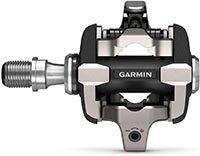
Garmin Rally XC100, Single-sensing Power Meter, Compatible with SHIMANO SPD Cleats
Garmin Rally XC100, Single-sensing Power Meter, Compatible with SHIMANO SPD Cleats - around $700
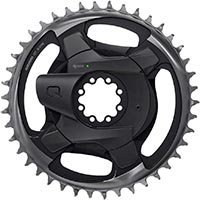
SRAM Force/Red Axs Power Meter Spider
SRAM Force/Red Axs Power Meter Spider - around $480
FAVERO Assioma Duo Side Pedal Based Power Meter
FAVERO Assioma Duo Side Pedal Based Power Meter - around $760

What is FTP or Functional Threshold Power?

FTP or Functional Threshold Power is effectively a measure of the power you can hold cycling for an hour, measured in watts. At just above that power, you will not be able to maintain. But if you pace yourself just below that power, you should be able to keep going.

Exercise physiologist Andy Coggan is the scientist we have to thank for the science of FTP. He defined FTP as “the highest power that a rider can maintain in a quasi-steady state without fatiguing for approximately one hour. When power exceeds FTP, fatigue will occur much sooner, whereas a power just below FTP can be maintained considerably longer.”

What are Watts per Hour (W/kg)?

Just to make things a little more complicated, you will sometimes see FTP expressed as, say, 200 watts, and other times see it expressed as 2 W/kg (watts per kg). Watts per kg is simply your FTP power divided by your weight. In other words, W/kg is your power to weight ratio.

This makes more sense if we look at an example. Let’s say we have two cyclists each producing 200 watts of power as they cycle. You might think they would be going at the same speed. However, what if Cyclist A is Lucy, weighing 50 kg, and Cyclist B is Clyde, weighing 100 kg? Obviously, Lucy will be leaving Clyde in the dust, because she has less weight to propel forward. For the same reason, you can make a 20-pound bike move fast by pedaling, but you cannot pedal a 5-ton car. You just don’t have enough power in your legs relative to the weight of the car.

The importance of the power to weight ratio is precisely why W/kg is such an essential metric. Lucy’s W/kg is 200 divided by 50, so she is cycling at a power level of 4 W/kg. That’s excellent and will result in her cycling at a very respectable level. Meanwhile, Clyde’s W/kg is 200 divided by 100, so he is cycling at a power level of 2 w/kg. That’s not embarrassing, but he will not be able to keep up with Lucy.

As you train, you will find yourself constantly keeping an eye on your W/kg. Most cycling apps will show it to you all the time. It is exhilarating to watch as it improves.

What is Lactate Threshold?

Your FTP is also your lactate threshold. If you are cycling above your FTP, your body will start to be unable to clear the lactate that is generated by cycling. An accumulation of lactate causes burning pain, and makes you want to stop cycling. And for good reason, because that burning pain signifies that your muscles are breaking down.

On a training ride, you might be above the threshold for a short time, and then slow down for a while to clear the lactate. And then repeat.

Equipment for Indoor Cycling Training that We Recommend
Wahoo Kickr
Wahoo Kickr SNAP - around $350
KOM Indoor cycling desk
KOM Indoor cycling desk - around $110
Wahoo TRACKR Chest Heart Rate Monitor - around $50
Wahoo TRACKR Chest Heart Rate Monitor - around $90
Garmin Tacx Neo 2T Smart Trainer - around $1400
FAVERO Assioma Duo Side Pedal Based Power Meter
FAVERO Assioma Duo Side Pedal Based Power Meter - around $760

Why Do You Need to Know Your FTP?

The point of knowing your FTP is that it enables you to figure out the correct power zones at which to pace yourself while training, so as to maximize your gains.

For example, for endurance you are going to want to train in a power zone below FTP, and for power and strength you are going to want to include some periods of training above FTP. Obviously, these periods are going to have to be shorter than the periods when you are training below FTP.

For endurance you are going to want to train below FTP, This is a Zwift training ride that is intended to build endurance. It directs you to spend most of your time in Zone 2 (blue) and Zone 3 (green). See further on in this post for a guide to the power zones
For endurance you are going to want to train below FTP, This is a Zwift training ride that is intended to build endurance. It directs you to spend most of your time in Zone 2 (blue) and Zone 3 (green). See further on in this post for a guide to the power zones. I found this example on an extremely useful web site called What’s On Zwift

Most commercial and free training plans, such as those offered by TrainingPeaks and Zwift, are based on your own personal FTP. Plugging your FTP into those applications enables them to to generate a training plan that is customized to your fitness level. It’s like having your own personal coach (almost), except way cheaper.

First, Find Your Baseline. How Powerful Are You?

First, you need to find out how powerful you are at cycling right now, and use this as a baseline. This means you have to determine your current FTP.

If you are regularly riding on a platform such as Zwift, the program will do its best to estimate your FTP, based on your performance. And if you are regularly using a power meter, you will have a pretty good idea of the kind of power you can sustain.

However, these are estimates. You really need to be as precise as possible, because that will ensure that your training program is as laser-focused as possible.

Ways to Measure Your FTP

If money is no object, you can just head down to your nearest state-of-the-art exercise physiology laboratory and get yourself tested. However, as this will usually cost a huge amount of money, most of us will not do this. And even if you could afford it, would you really want to go to a lab to be tested once a month?

So, let’s just ignore this option and look at some more realistic options. There are many ways to measure your FTP, as long as you have a bike and a power meter. Most smart trainers have power meters built into them.

There are many ways to measure your FTP, as long as you have a bike and a power meter.

Basically, you can choose from ramp tests and sustained effort tests.

A Selection of Recommended Power Meters
Garmin Rally XC100, Single-sensing Power Meter, Compatible with SHIMANO SPD Cleats
Garmin Rally XC100, Single-sensing Power Meter, Compatible with SHIMANO SPD Cleats - around $700
SRAM Force/Red Axs Power Meter Spider
SRAM Force/Red Axs Power Meter Spider - around $480
FAVERO Assioma Duo Side Pedal Based Power Meter
FAVERO Assioma Duo Side Pedal Based Power Meter - around $760

Ramp Tests

These are the shortest and least demanding tests. They are increasingly being regarded as the gold standard of self-testing your FTP. And they just happen to be the ones I prefer, because they are easier to do. You need a program such as Zwift or TrainingPeaks or TrainerRoad to do it. Preferably, you need a smart bike trainer that has ERG mode. Of course, it has to have a power meter built in, or you have to have a power meter as an add-on.

Basically, the program will step you through warming up for at least 5 minutes. After that, you cycle at 100 watts for one minute, then you go to 120 watts for one minute, and so on.

Based on your performance, the program will instantly calculate your current FTP. It will estimate it as about 75% of the last segment you completed. If you don’t have Zwift or TrainingPeaks or TrainerRoad, you can use an online calculator to do your own calculations, based on your performance. But really, those apps are so much easier, and very affordable, in our opinion, for what they give you.

TrainerRoad is said to offer the best Ramp Testing. It bases it on your previous FTP, so it is not so cookie cutter. However, you can get a good ramp test from other programs as well.

Zwift offers a light version of a ramp test, in which the jumps are only 10 watts, as opposed to 20 watts. This is a much better version for newer cyclists, who will often find a 20-watt jump just too much. These tests are also better suited to lighter cyclists, who are likely to have lower power levels than heavier cyclists.

Sustained Effort FTP Tests

There are two basic kinds of sustained effort FTP tests. One of these requires that you do two eight-minute intervals in which you cycle as hard as you can for the full eight minutes. Then the program will calculate 90 per cent of the average of those two eight-minute intervals.

The other kind of sustained effort FTP test is a twenty-minute test. This was the original test, and it remains the most popular test. It is also considered the most reliable test. You only have to do one interval, but you have to sustain it for twenty minutes. The program then rates your FTP at 95% of the power you maintained through that 20 minutes, to estimate what your sustained power output could be for one hour.

Personally, if I have to choose one of the two, I will always go for the two eight-minutes version, because I find it really hard to pace myself through a twenty-minute test. However, if you are good at pacing yourself, the twenty-minute test is an excellent method of testing FTP.

Equipment for Indoor Cycling Training that We Recommend
Wahoo Kickr
Wahoo Kickr SNAP - around $350
KOM Indoor cycling desk
KOM Indoor cycling desk - around $110
Wahoo TRACKR Chest Heart Rate Monitor - around $50
Wahoo TRACKR Chest Heart Rate Monitor - around $90
Garmin Tacx Neo 2T Smart Trainer - around $1400
FAVERO Assioma Duo Side Pedal Based Power Meter
FAVERO Assioma Duo Side Pedal Based Power Meter - around $760

Once You Have Your FTP

Once your FTP is established, you are ready to start training scientifically. Whatever software you are using can now figure out how much power you need to put out to be in the various training power zones.

For example, say you have an FTP of 100. (This is low, but it is an easy number to do math with!) Your training software knows that in order to cycle in zone 3, for example, you need to cycle at 75 to 85% of your FTP. Therefore, with your FTP of 100, you will need to cycle at between 75 and 85 Watts in order to be in Zone 3.

Most workouts will have you cycling for a period of time above your lactate threshold (in this case, above 100 watts), then dropping down in power to clear out the lactate, and then ramping it up again. A good training workout will mix and match the various training zones in such a way as to give your body a good training effect and stimulate increases in fitness.

Next, let’s take a look at these training power zones. The chart summarizes the most important things to know about the power zones.

The Power Zones for Cycling Training

Name and Associated Color in Zwift
% of FTP
% of Heart Rate
What it Feels Like (Perceived Level of Exertion), and What You Can Do
Metabolic Sources (How You Fuel It)
How It's Used in Workouts
What It's Good for (Health and Fitness)
Zone 1Recovery (Grey in Zwift)1 to 58% of FTP55 to 65% of your maximum heart rateSo easy you would hardly even call it exercise. You can do whatever you like, such as watch a movie, or chat on your phoneMainly fat and oxygenSometimes used as a complete workout on recovery days. This zone typically shows up in warmups and cool downs. It can also show up in between hard efforts, giving you a chance to clear lactate. It will usually be less than an hour. You will not gain any fitness when cycling at this level. But you will lay the foundation to be strong enough to build fitness the next day.Rest is always good for your health. In terms of fitness, you will not gain any. However, you will get the rest and recovery you need to get fitter the next day.
Zone 2Endurance/Aerobic (Blue in Zwift)59 to 75% of FTP65 to 75% of your maximum heart rateYou know you are exercising, but it is comfortable. You can still talk quite comfortably most of the time. So you could chat on the phone. You could still watch a movie, but you might be a bit distractedMainly fat and oxygen, plus a small amount of carbsHere you will build your base miles. You will spend a lot of time here, especially in the beginning.Build mitochondrial density. Very likely extend your life and protect you against all-causes of mortality. Also build aerobic fitness. In the early days of training, a lot of time in this zone will build the foundation of your later cycling success. You can continue building this fitness base for decades.
Zone 3Tempo (Green in Zwift)75 to 85% of FTP80 to 85% of your maximum heart rateIt's a brisk and challenging pace, but not so hard that you will break down. You are starting to feel tired in this zone. You can spend quite a bit of time here, but you have to concentrate. You can converse, but you probably won’t want to.Glucose, fat and oxygen. You will need to ingest more sugars for this zone, and subsequent zonesThis zone has a bit of a bad rep, because a lot of people doing unstructured training spend all their time here. But in fact it does not build the base as well as Zone 2, and it is not all-out enough to really build your high-end capacity (this requires higher zones). But is still has a place in a structured training plan. Use it for high cadence or low torque drills. Don’t spend too much time here.You need to learn to recover here, because when you are racing or on a group ride, you need to be able to recover here, as you will be dropped if you go back to Zone 1.
Zone 3 PlusStill tempo, but this sliver is called the Sweet Spot (still Green)85 to 95% of FTP80 to 85% of your maximum heart rateThis is a tough zone and you won't want to do much except concentrate on staying in itGlucose, fat and oxygenThis is a well balanced training zone that does you good on multiple levels. You can come back to this zone repeatedly, for short periods, because it is not putting too much demand on your bodyIt is a way to build your threshold from the bottom end of threshold, so it is not too taxing.
Zone 4Threshold (Yellow in Zwift)95 to 105% of FTP85 to 89% of your maximum heart rateThis is tough, and it is starting to hurt. Your legs will quickly start to feel tired in this zone. You can say a few words here, but you probably will not want to. In this zone and above, you need your full concentration on your cyclingGlucose (primary), plus fat and oxygenThis is a slim sliver of a power zone that is never easy. But it is Important to work on this. It is where you will be a lot in races and group rides. Most people, including cycling pros, cannot hold 100% of FTP for an hour. This is because it’s not just about power, it’s also about athletic, muscular and aerobic ability as well. And you don’t HAVE to be able to do it, either.Training in this zone can lead to rapid fitness zones, but it should not be over-used.
Zone 5 (and 6 and 7)Vo2 Max, or Maximal Aerobic Power (Orange in Zwift; Red when you get to Zones 6 and 7)105% Plus of FTP90% and above of your maximum heart rateYou are exercising as hard as you can. Talking is out of the question. Think of starting a race, or finishing one. This is not your happy place. Your legs will start burning quickly. Most people can only hold this for 3 to 8 minutesGlucoseZones 5, 6 and 7 are Usually lumped together. You might be able to hold Zone 5 for 3 to 5 minutes. In Zone 6 you might be able to last for 30 seconds to 3 minutes, at the end of a race perhaps. Zone 7 draws on neuromuscular power. Your brain forces your muscles to do it, until failure. It is basically sprint level power that you can only sustain for just a few seconds.These zones use fast-twitch muscle fibers. The best you can do is learn to be able to repeat this more than once during a given race. Here, you are building your FTP up from the top (as opposed to the Sweet Spot, where you are building it up from the bottom).

How Training Plans Based on Power Zones Work

All cycling training plans work on the same training principles. For the purposes of this explanation, let’s assume you are using a training program in Zwift. You will first determine your current FTP, using a Zwift test (or simply input it, if you happen to know it). Then, you choose a training program, for example, something to build endurance. Zwift then generates a training program based on percentages of your FTP. A training program for endurance would have you spend a lot of time in Zone 2. So, it would include a lot of time spent at 59 to 75% of your current FTP.

As you can see, using a percentage of your own FTP means that every training program you do is customized to your current level of power and fitness. As such, it is an excellent way to ensure that you can manage to do the training plan, and that it will benefit you.

+Here is a Zwift workout that includes almost all of the power zones. Grey = Zone 1; Blue = Zone 2; Green = Zone 3; Yellow = Zone 4; Orange = Zone 5; Red = Zone 6. Notice for example that Zone 1 is used to warm up and to cool down. Notice how the color bars get narrower as the colors indicate more intense zones. Once you know the colors, it is easy to assess a training workout at a glance
Here is a Zwift workout that includes almost all of the power zones. Grey = Zone 1; Blue = Zone 2; Green = Zone 3; Yellow = Zone 4; Orange = Zone 5; Red = Zone 6. Notice for example that Zone 1 (grey) is used to warm up and to cool down. Notice how the color bars get narrower as the colors indicate more intense zones. Once you know the colors, it is easy to assess a training workout at a glance

Find a Cycling Training Plan and Get Going!

Knowing your FTP, and understanding how cycling training plans based on FTP work, will open the doors to a world of possible training plans. You can choose to sign up for Zwift or Strava or TrainingPeaks or TrainerRoad, choose a training plan, and off you go!

Keep Checking Your FTP

Measure your FTP every four weeks to track progress. If the number goes up, you should have become fitter. The ideal scenario would be if your FTP number goes up while your weight decreases, and you notice that your heart rate to produce that same level of power is lower. That would mean that your power in terms of W/kg is higher, and your aerobic fitness has increased.

Those kinds of multiple gains are more likely to occur when you are a newbie. However, you can expect a gradual increase in FTP for a very long time, providing you keep training.

Good luck to you with your training plan!

As an Amazon Associate I earn from qualifying purchases.

Check Out Our Most Popular Posts!

  • The New Garmin Edge 840 vs. 540: What's the Difference, and Which is Better?
  • Garmin Edge 1050 vs 1040 on handlebars
    Garmin Edge 1050 vs 1040 - What's the Difference, and Which One is Better?
  • When you're enjoying a fast bike ride in a beautiful setting, having an easy-to-use bike computer really does enhance the experience, Garmin Edge 540 vs 840 vs 540
    Garmin Edge 540 vs 840 vs 1040 - Complete Comparison with Chart Showing Differences and Similarities
  • review of Shokz OpenRun Mini headphones
    Shokz OpenRun vs. OpenRun Pro Bluetooth Bone Conduction Headphones: What's the Difference?
  • Wahoo TICKR Heart Rate Monitor – Our Review
    Wahoo TICKR Heart Rate Monitor – Best Budget Heart Rate Monitor?
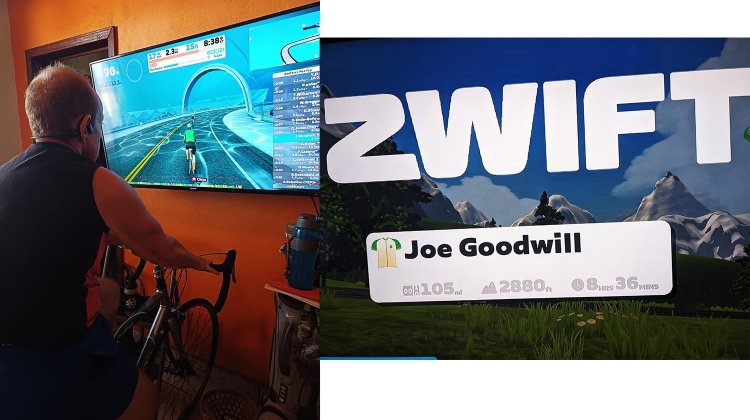
  • I fell in love with Zwifting instantly. In seemingly no time, I had completed my first 100 miles, and was totally hooked
    Can Average Cyclists Do Zwift Workouts?
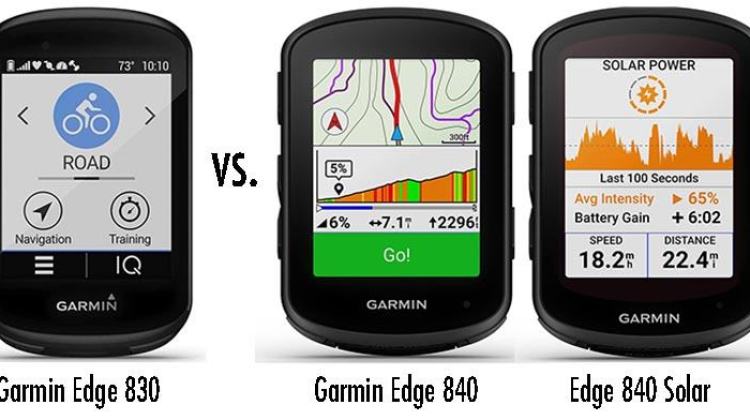
  • Garmin Edge 840 vs. 830: What's the Difference?
  • The root of the problem is that when you cycle, you spend a lot of time with all your body weight bearing down on a small but sensitive part of your anatomy
    Can Cycling Cause Penis Numbness, Erectile Dysfunction, and Prostate Cancer?
  • Garmin Edge 540 vs 530 - What's the difference?
    Garmin Edge 540 vs 530 - What's the difference?
  • What better way to relax your body after a bike ride than getting into the water!
    Review of the Mojawa Dual Function Headphones: Bluetooth Open Ear for Cycling, and MP3 for Swimming
  • They look the same - but there are quite a lot of differences!. Garmin edge 1030 plus vs 1040 bike computers
    Garmin Edge 1040 vs 1030 Plus: What’s the Difference?
  • All Garmin Edge Bike Computers Compared
    ALL GARMIN EDGE BIKE COMPUTERS COMPARED. 130 Plus vs Explore 2 vs 530 vs 830 vs 1030 Plus vs 1040
  • 7 of the Best Cheap Bike Computers under $75 – Includes Budget Wireless Computers
  • 7 of the Best Budget Bike Computers
  • 7 best dog bike baskets
    7 of the Best Carriers to Take Your Dog on Bike Rides
  • This graphic shows you the relative sizes of the 530 (left), 1030 Plus (center), and 830 (right)
    Garmin Edge 530 vs 830 vs 1030 Plus vs 1040 Bike Computers: In-Depth Comparison with Reviews and Videos
  • Best road bike saddles
    9 of the Best Road Bike Saddles for Men and Women - Video-Packed Post
  • 7 of the Best Bike Computers
  • 9 of the best waterproof cycling jackets for men and women. A great waterproof cycling jacket will keep you dry, and at the same time be breathable, so that you don't overheat your core
    7 of the Best Waterproof Cycling Jackets for Men and Women
  • The Garmin Edge 830 on Maggie's bike
    Garmin Edge 530 vs 830 vs 1030 vs 1040
  • Get a new bike, and then get outside and have fun!
    7 Great Budget Bikes You Can Buy on Amazon - Cruiser, Mountain, Road and Hybrid
  • 7 of the Best Waterproof Bike Panniers Compared
  • 7 of the Best Child Bike Seats Compared
  • 7 best bike locks
    7 of the Best Bike locks Compared. Find the Best Bike Lock For You!
  • Best Safe Headphones for Cyclists Compared
  • Piriformis muscle seen from the front header
    Piriformis Syndrome in Cyclists - How to Prevent and Cure It
  • If you are you a really keen and serious cyclist, aspiring to train hard and become fitter and faster, then it is possible that a Garmin Edge bike computer would be a good choice for you
    Are Garmin Edge Bike Computers Worth It?

Did you enjoy this post or find it helpful? If so, please support our blog!


We write this blog because we love cycling. But we also need to earn a living, so we would appreciate it very much if you click through to one of our reputable affiliates for your online shopping. We are proudly affiliated with Amazon, which sells pretty much everything, and has outstanding shipping and return policies. When you buy from our affiliates we make a small commission, and this is the only way we earn any income. Plus, it costs you nothing at all - a real win/win situation! We here at Average Joe Cyclist do not receive any information AT ALL about who you are, where you live, or what your dog's name is. Buying through our Amazon links is simply an anonymous way to thank us for our efforts, like tossing a few coins in a tip jar. Except that it is Amazon who tosses the coins, not you!
Shop at Amazon in the USA:
Shop at Amazon in Canada:
Shop at Amazon in the UK:
As an Amazon Associate I earn from qualifying purchases.

Related

Filed Under: Cycling Training Plans, Indoor Cycling Training, Zwift

About Average Joe Cyclist

Copyright © 2025 · Average Joe Cyclist, please contact us for syndication rights.


Loading Comments...