Many people believe that the best way to lose weight is to do endurance training in a fasted state. There are even some who say that the combination of HIIT (High Intensity Interval Training) and intermittent fasting causes the “weight to just fall off.” Others say extreme exercise while fasting is an inherently dangerous and even crazy combination. We know for sure that intermittent fasting is a research-proven way to lose weight. But can you combine intermittent fasting with fasted bike training? Would it help you to lose weight, or would it make it impossible for you to crank your pedals efficiently? This post, plus video, will help you decide if it’s possible, and if you want to give it a try.
Related Post: adidas Hiit Spin Training Shorts – Our Review
What is Intermittent Fasting?
Basically, intermittent fasting just means having periods of not eating. It can also be called Intermittent Eating. So, in a way, we have all been doing it all our lives – the part when we are fasting is usually called sleeping. However, the catch is that you need to not eat for longer than 8 hours. The most common pattern is to fast for 16 hours, and then have 8 hours within which you can eat. For example, have breakfast at 10:00 a.m., and then stop eating after 6:00 p.m. However, you could also fast for 14 hours, and give yourself a longer eating window.
Two other methods of intermittent fasting are:
- 5:2 Diet: Consuming normal amounts of food for five days a week and significantly reducing calorie intake on the other two days.
- Alternate-Day Fasting: Alternating between fasting and eating days.
Intermittent fasting can be combined with a specific diet, or you can just eat whatever you like. Both methods have enabled many people to successfully lose weight.
Breaking Your Fast with Protein?
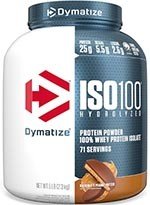
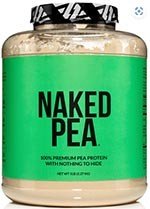
Some experts, such as Dr. Peter Attia, recommend that you ingest a very low carb and low fat protein shake during your fast. For example, after waking and before cycling. The intent here is to feed your muscles without spiking your insulin very much. Dr. Attia’s advice echoes the growing trend towards advocating a relatively high protein intake so as to preserve our muscles. This is especially important for those of us who are over 40.
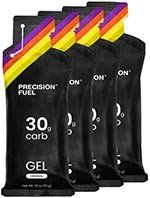
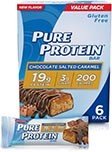
Dr. Attia is a long-time practitioner of intermittent fasting as well as several-days-long fasts. After years of this he found he had lost a substantial amount of muscle mass. Hence his concern about protein intake. And he no longer does extended fasts. An excellent protein powder, such as the ones in the graphic, will give you plenty of good quality protein with a minimum of calories, carbs, and fat.
 |  |
 |  |
 | |
Research showing the Effectiveness of Intermittent Fasting for Weight Loss
Research has shown that intermittent fasting is effective for weight loss. This seems to work in one of three different ways.
#1 Way in Which Intermittent Fasting Causes Weight Loss: Increased Fat Oxidation
During fasting periods, the body shifts from using glucose as its primary energy source to burning stored fat.
#2 Way in Which Intermittent Fasting Causes Weight Loss: Impact on Insulin Levels and Sensitivity
Insulin is a hormone that regulates blood glucose levels. Insulin sensitivity is a crucial factor in metabolic health, with insulin resistance being a key feature of type 2 diabetes. Intermittent fasting has been shown to impact insulin in the following ways:
- Reduced Insulin Levels: Fasting periods lead to lower insulin levels, as there is no food intake to stimulate insulin release. Lower insulin levels promote fat oxidation and weight loss .
- Improved Insulin Sensitivity: Studies suggest that intermittent fasting can improve insulin sensitivity, making the body more effective at utilizing glucose. This is beneficial for preventing and managing type 2 diabetes .
This theory has been backed up by evidence. In a systematic review of 40 studies in 2015, Seimon et al. concluded that intermittent fasting is useful for weight loss, and also provides benefits to the cardiovascular system, by for example reducing blood pressure and lowering triglycerides. Crucially, intermittent fasting can encourage your body to draw on your fat cells for energy, rather than taking the easier route of utilizing glucose from carbs that you just ate.
Sources:
- Meta-analysis by Seimon et al. (2015): “Do intermittent diets provide physiological benefits over continuous diets for weight loss? A systematic review of clinical trials.” In Journal of Molecular and Cellular Endocrinology.
- Study by Halberg et al. (2005): This study demonstrated that alternate-day fasting improved insulin-mediated glucose uptake in healthy individuals, indicating enhanced insulin sensitivity .
- Research by Sutton et al. (2018): A study on early time-restricted feeding (a form of intermittent fasting) found that this approach improved insulin sensitivity, blood pressure, and oxidative stress markers in men with prediabetes .
- Meta-analysis by Cho et al. (2019): This comprehensive review concluded that intermittent fasting is associated with significant reductions in fasting insulin levels and improved insulin sensitivity across different populations.
#3 Way in Which Intermittent Fasting Causes Weight Loss: Impact on Calorie Intake
There are many who are skeptical about the value of intermittent fasting. They believe that its value derives purely from the fact that it causes you to eat less calories. This is simply because you can’t spend all evening snacking on cookies and chips if you are fasting. Therefore, you lose weight, based on the science-backed notion that weight loss depends on expending more calories than you ingest..
Whatever the reason, it is true that many people do lose weight with intermittent fasting.
Related Post: How Cycling Can Help You to Lose Weight
|  |
| |
 | |
Weight Loss Success Stories with Intermittent Fasting
Anecdotally, we have a friend, Melinda who did intermittent fasting for five months, eating and drinking whatever she liked during the allowed eating time. (Yes, including cheese cake!) As a result, she lost 30 pounds. At this point in time, she has maintained this weight loss for three years. Just look at Melinda’s Before and After photos below! Melinda is glowing with health, and she inspired us. Following her example, Maggie and I also embarked on intermittent fasting.

 Our friend Melinda’s Before and After intermittent fasting photos
Melinda is not a cyclist, but she does hike, work out regularly, and she works a physical job every day. Her days usually include an hour or more of exercise in the early morning, long before she starts eating at 10.00 a.m. Clearly, she is able to exercise while fasting, without any adverse effect.
Related Post: 7 Steps to Lose Weight Cycling
My Own Experience with Intermittent Fasting and Fasted Training
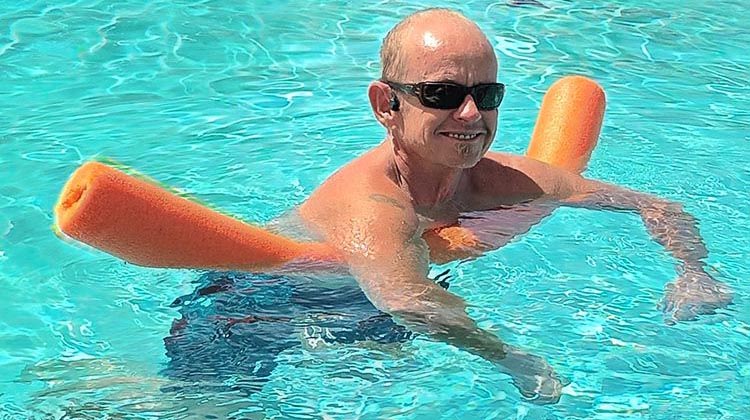
Inspired by Melinda, I started doing intermittent fasting. My eating window was 11 am to 7 pm. However, I usually do my cycling or swimming or gym training early in the morning. This meant that all of my training was done fasting. At first – and I am not going to sugarcoat this – it was sheer hell. I was like an angry bear during my workouts. This was because I felt exhausted and weak, as if I was running on an empty tank. Which I was, in the sense that I had no readily available carbs to tap into. My body was used to having these, and it was not at all happy when I cut off the supply.

 I’m smiling for the camera, but inside I felt weak as a kitten, and miserable
I decided to push on. I now know that ingesting electrolytes would have helped me, but I didn’t know that back then. Within about three weeks, something changed. I started to feel stronger and happier during my fasted workouts. Although I had no carbs on board, my body was obviously pulling an energy source from somewhere. Of course, it was pulling it from my very ample fat stores.
That’s not too surprising. As humans we have evolved to store fat, and then tap into it when there is no food available. This is a very sensible arrangement, and has contributed to the survival of our species over good times and bad. It is just that many of us – me included – seem to have forgotten how to tap into those food stores. However, under pressure, my body re-acquired that skill. Soon, the angry bear was gone, and I was once again smiling and enjoying my early morning endurance activities.

 Soon, I was smiling again during my early morning workouts – despite being in a fasted state. My body had remembered how to draw on my fat stores
I kept on with this for the best part of two years, practicing intermittent fasting, and working out in a fasted state most mornings. I ended up losing around 60 pounds. Below are my before and after pictures.

 I have personally lose weight with a combination of intermittent fasting and fasted workouts. The photo on the left was taken 5 years ago; the two photos on the right are current. I lost the weight over 2 years, and have since kept it off for 3 years
Weight Loss Success Stories about Combing HIIT with Intermittent Fasting
Many of us now incorporate HIIT (high intensity interval training) into our cycling training. After all, there is a huge body of research that confirms that HIIT can increase your fitness and health gains substantially – in much less time than hours of endurance cycling. (Source: Roy, Brad A. et al. High-Intensity Interval Training. Efficient, Effective, and a Fun Way to Exercise. American College of Sports Medicine Health & Fitness Journal: May/June 2013. Volume 17, Issue 3.)
Related Post: 7 Reasons to do High Intensity Interval Training (HIIT) on Your Bike – And How to Add Interval Training to Your Cycling
This has made HIIT a lot more popular in recent years. But … can you safely combine HIIT with intermittent fasting? To many, it seems counter-intuitive, and maybe even dangerous, to ask your body to give peak bursts of effort (albeit in short bursts), while effectively running on an empty gas tank. Empty of carbs, at any rate. Almost all of us have some gas in the fat tank.
However, this has not stopped millions of people from trying it, searching for that magic bullet of rapid weight loss. And for some, it has worked. For example, teacher Sean Collins put on 60 pounds after finishing his tour with the Southwind Drum and Bugle Corps of Mobile, Alabama. First he got used to intermittent fasting with regular exercise, and then he upgraded his exercise regime by incorporating HIIT as well. He states that at that point:
“The weight just started to fall off. There’s no other way to put it.”
Collins lost a total of 114 pounds of fat, and gained a beautiful wife for good measure. But Collins was just 22 years old – if you are older than that, or have any health issues, please check with your doctor before making radical lifestyle changes. (Source: Men’s Health, HIIT and Intermittent Fasting Helped Me Lose More Than 100 Pounds. Jan. 16, 2021.)
Related Post: How Much Aerobic, Anaerobic, and HIIT Cycling Training Should You Do?
Video: Intermittent Fasting, Cycling, and Weight Loss
This video explores the issue of bike training while in a fasted state. It is very interesting to watch.
Notice that in this video, they do not recommend the combination of intermittent fasting and high-intensity cycling training. However, for low to medium effort endurance rides, they do recommend training while fasting as a potential path to weight loss.
What is interesting is that if you click through to the video and read the comments, you will see that MANY viewers disagree vehemently. They make the point that if you want to do high-intensity bike training combined with intermittent fasting, you have to take a few weeks to a few months to let your body adapt. And many of them claim to have had major successes with weight loss by combining intermittent fasting and cycling while in a fasted state.
Other interesting comments viewers made about intermittent fasting and weight loss:
Comments about Weight Loss
“Fasted training (also known as commuting 25 km to work and then having a breakfast :D) helped me lose 15 kg of weight a couple of years back, so it sure does something.”
“I’ve been doing 60–90 minute interval and hill workouts before breakfast, 3–4 times a week and have lost about 40 pounds over the last 4 months. I had plenty to lose, but training fasted has been great and I always seem to have just enough in the tank for hard efforts. I do bring a gel in case I go overboard and bonk.”
“I’ve been doing this for 2 years now and lost around 20 kg. I have built up to 20 hrs fast and 4 hr eating window, in effect one meal a day. I can train in fasted state no problem, regularly do 40 odd miles on black coffee only. Main benefit – no longer need to use small chainring! Eat quality food, avoid processed food. I don’t agree that you need glycogen to do intensive training, you will lose more weight if you train intensively in a fasted state.”
“Yes, intermittent fasting, with a mostly vegan diet/low calorie density, rich antioxidant dense foods, (minimal process foods/sugar) and regular pedaling has me down from 260 to 240.”
| |
| |
| |
Related Post: Our Best Lose Weight with Cycling Posts
Related Post: Our TOP TEN TIPS to Lose Weight Cycling
Comment about High Intensity Training while Fasting
“I have done several 100-mile rides while fasting. Obviously one would need to build up to it. Also, I was able to do extreme high intensity while fasting. After some of those 100 mile rides, I was able to keep the fast going for 20+ hours.”
Comment about Race Performance and Training while Fasting
“If your goal isn’t a change in body composition but a change in race performance, here’s what I’ve heard: fasted rides can raise your fat utilization % at a constant (low) power relative to carbohydrates, which can help you in a race to “keep your powder dry” (i.e. save glycogen to cover attacks, etc.) From what I’ve heard, fasted rides should be no longer than 2 hours, after which you should eat to protect the immune system. And also, fasted rides should only be done a few times a week max. Following the fasted ride, eating fat-heavy foods (avocados, cheese, bacon, etc.) is a good way to accelerate the metabolic adaptation.”
If you do check out the above video on YouTube, I would highly recommend subscribing to the GCN channel, as they produce a lot of excellent cycling videos.
Takeaways on Losing Weight using Intermittent Eating and Cycling while Fasted
- First, this is something you should approach with caution, as with anything new. And obviously, anyone with any health issues should first consult their doctor.
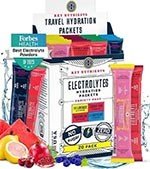
- And as with all bike training, carry some snacks with you, in case you suddenly have a dire need for calories (the dreaded “bonk,” aka “hitting the wall”). See the graphic, which shows gels and energy bars you can easily carry with you.
- It seems that for some, the best approach would be to stop eating at 6:00 p.m., and then do a long, relatively slow endurance ride the next morning (with snacks in your pockets, just in case). Based on solid science and also on tons of anecdotal evidence, it seems that you would then be riding with very low levels of insulin, and that your body would be most likely to call on your supplies of fat to fuel the bike ride. Which would of course lead to weight loss over a period of time.
- That said, many people claim to be able to do more intense workouts while fasting, such as HIIT (High Intensity Interval Training). There are also many who argue that the combination of HIIT and intermittent fasting is like a magic bullet for weight loss. So, if you are a brave soul and in good health, you might want to go for faster weight loss by trying that (with snacks in your pockets, of course).
| |
| |
| |
Good luck, and let us know how you do if you decide to combine intermittent fasting and fasted training – HIIT or simply endurance training.
Check Out Our Most Popular Posts! | ||
| ||
Did you enjoy this post or find it helpful? If so, please support our blog! We write this blog because we love cycling. But we also need to earn a living, so we would appreciate it very much if you click through to one of our reputable affiliates for your online shopping. We are proudly affiliated with Amazon, which sells pretty much everything, and has outstanding shipping and return policies. When you buy from our affiliates we make a small commission, and this is the only way we earn any income. Plus, it costs you nothing at all - a real win/win situation! We here at Average Joe Cyclist do not receive any information AT ALL about who you are, where you live, or what your dog's name is. Buying through our Amazon links is simply an anonymous way to thank us for our efforts, like tossing a few coins in a tip jar. Except that it is Amazon who tosses the coins, not you! | ||


Leave a Reply