
In this post, we explain the mechanisms that you can harness to help you to lose weight cycling. We also describe the most time-effective ways to lose weight with cycling.
Cycling burns a lot of calories, and can be sustained for long periods of time because it is so much fun. And because cycling is a low-impact exercise, you can start cycling even if you are very overweight. Many people have lost impressive amounts of weight with the help of cycling, and you could become one of them.


 |  |
 |  |
 | |
Lose Weight Cycling – How it Works
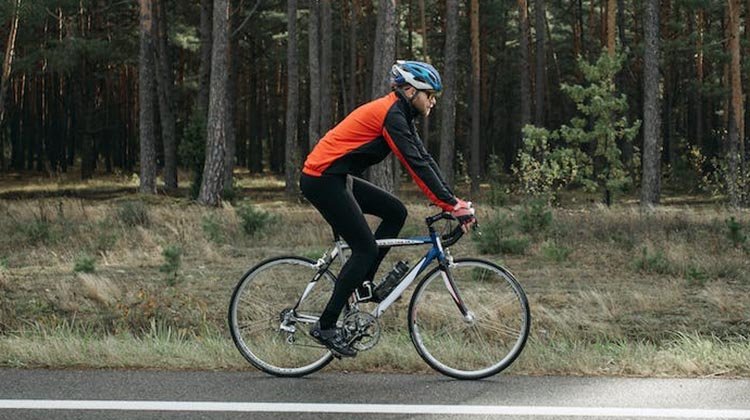
Riding a bike uses all of the largest muscles in your body: your quads, your hamstrings, your hip muscles, and your glutes. Using large muscles burns a lot of calories. An average calorie burn per hour on a bike ride is around 400 to 600 calories, depending on your weight and how hard you pedal. So if you can ride a bike for an hour a day, you can burn up around 4,000 calories per week.
This could be enough to burn off a pound of fat. And because cycling is fun, you can keep doing it for long periods of time. In good weather we often enjoy bike rides that last all day (with a break for lunch, of course!)
Related Post: A Guide for Fat Cyclists

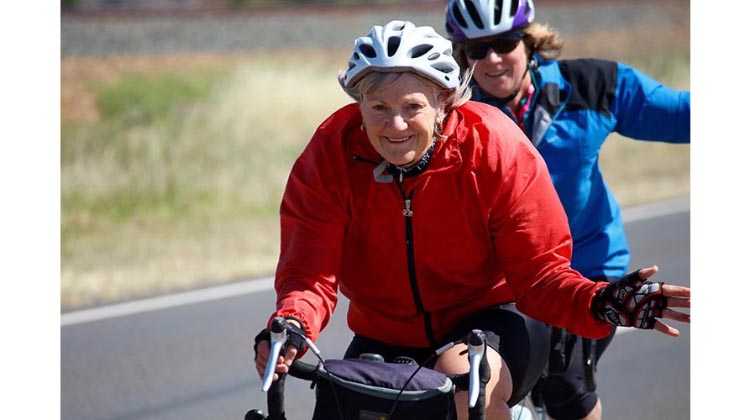
How Cycling Burns Calories


Cycling dramatically increases the number of calories you burn, and also burns fat. It does this in several ways:
- While you are cycling, you burn hundreds of calories.
- Even once you stop cycling, you continue to burn more calories throughout the day, because your body uses calories to repair your muscles. And the exercise will push up your basal metabolic rate (BMR). Your BMR is the number of calories you burn while you’re just sitting on the couch, or even sleeping! After cycling, your BMR will stay up for hours. If you do 45 minutes or more of cycling, you are likely to keep your BMR raised all day long.
- You can burn fat by cycling for long distances at moderate to slow speeds, providing you don’t consume more than 200 calories per hour while you are cycling.
- You can burn up a lot of calories and rev up your metabolism in a short period of time by doing high intensity interval training (HIIT) on your bike. This has the added advantage that it helps to combat aging, as explained in this post about why interval training on a bike is an excellent way to fight aging.
- Over time, cycling will turn your body into a fat-burning machine. This is because it will build lean muscle tissue, which in turn raises your BMR permanently.
Related Post: How Many Calories Can You Burn Riding an Ebike?
|  |
| |
 | |
How to Optimize Your Cycling Weight Loss
It is very motivating and satisfying to record your progress. To do this, you will need a really good bathroom scale. Consider getting a scale that measures your body composition. This scale attempts to tell you what percentage of your body is fat and what percentage is muscle. This can be very motivating when it changes over time.

 Be sure to monitor your weight loss progress
Record Your Weight Loss Progress with an App
It is also useful to monitor and record your weight loss progress with a good fitness app, such as My Fitness Pal or Cronometer. Of the two, I would recommend Cronometer, as its calorie details are all checked and accurate. On My Fitness Pal, they are user-added, and mostly inaccurate. Apart from that, though, it is a good option as it is easier to use than Cronometer. You can overcome the inaccuracies by correctly inputting your own foods.
These apps will keep records of your weight loss over weeks, months, and years. They will also generate very pleasing graphs that show you how your weight loss has been going.
I have my Omicron and My Fitness Pal apps synched with my Garmin Venu 3 smart watch, so they automatically register and record my hikes, bike rides, workouts, and swims. Then, they automatically allocate me more calories for the extra exercise I have done each day.
Related Post: How Many Calories Can You Burn Cycling?
Related Post: Seven Steps to Lose Weight Cycling
Related Post: Top 10 Ride Your Way Lean Dietary Rules
You can even burn a lot of calories on an electric bike! See our post: How Many Calories Can You Burn Riding an E-Bike?

 I have personally lose weight by cycling. The photo on the left was taken 5 years ago; the photo in the middle was about 6 months ago, and the one on the right is current
Related Post: A Guide for Fat Cyclists
 |  |  |  |  |
Which Training Zone is Best for You to Lose Weight Cycling?
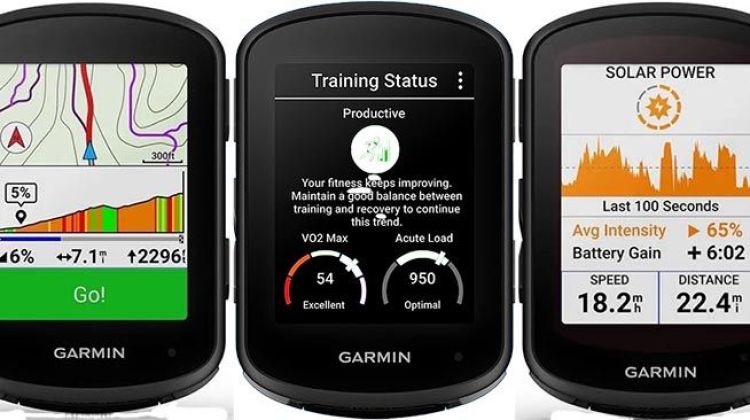
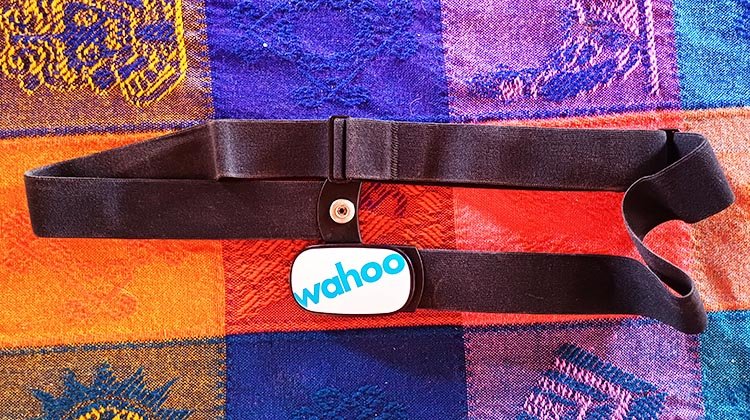
Training zones are crucial for tailoring your cycling workouts to achieve your own specific fitness and weight loss goals. These zones are typically based on heart rate or power output and help you understand how hard you should be working during different phases of your training. Here’s a breakdown of the possible training zones:
Heart Rate Training Zones

Zone 1: Active Recovery (50-60% of Max HR)
Purpose: Recovery, easy rides.
Benefits: Promotes blood flow, helps remove metabolic waste, and supports recovery without adding stress.
Zone 2: Endurance (60-70% of Max HR)
Purpose: Long, steady rides at a conversational pace.
Benefits: Enhances aerobic capacity, builds endurance, and is effective for burning fat.
Zone 3: Tempo (70-80% of Max HR)
Purpose: Moderate effort, sustainable for longer periods.
Benefits: Improves cardiovascular fitness, and efficient for weight loss as it balances intensity and duration.
Zone 4: Lactate Threshold (80-90% of Max HR)
Purpose: Hard effort, sustainable for shorter periods (20-40 minutes).
Benefits: Increases lactate threshold, enhancing the ability to sustain higher intensities, boosts calorie burn.
Zone 5: VO2 Max (90-100% of Max HR)
Purpose: Very hard effort, short bursts (3-8 minutes).
Benefits: Maximizes aerobic capacity, increases speed and power, significant calorie burn in a short time.
Zone 6: Anaerobic Capacity (100-120% of Max HR)
Purpose: Sprint efforts, very short bursts (30 seconds to 2 minutes).
Benefits: Improves sprinting ability, builds muscle strength and power, high-intensity calorie burn.
Zone 7: Neuromuscular Power (Maximum effort)
Purpose: All-out efforts, very short bursts (few seconds).
Benefits: Enhances maximum power and speed, useful for sprint training.
Power-Based Training Zones (Based on Functional Threshold Power, FTP)

Zone 1: Active Recovery (<55% of FTP)
Purpose: Recovery rides.
Benefits: Aids recovery, flushes out lactic acid.
Zone 2: Endurance (56-75% of FTP)
Purpose: Long rides at a steady pace.
Benefits: Builds aerobic endurance, enhances fat metabolism.
Zone 3: Tempo (76-90% of FTP)
Purpose: Steady, moderate-intensity rides.
Benefits: Improves aerobic fitness, efficient for burning fat and maintaining a moderate caloric deficit.
Zone 4: Threshold (91-105% of FTP)
Purpose: Sustained hard efforts.
Benefits: Increases lactate threshold, improving the ability to sustain high-intensity efforts.
Zone 5: VO2 Max (106-120% of FTP)
Purpose: Hard efforts, short duration.
Benefits: Maximizes aerobic capacity, burns a high number of calories in a short time.
Zone 6: Anaerobic Capacity (121-150% of FTP)
Purpose: Very hard efforts, short duration.
Benefits: Enhances anaerobic capacity, builds muscle strength and power.
Zone 7: Neuromuscular Power (>150% of FTP)
Purpose: Maximal efforts, very short bursts.
Benefits: Improves sprint power and speed.
Related Post: Unleash Your Cycling Potential: 7 Reasons Why Every Cyclist Should Use a Power Meter
Related Post: Complete Guide to Using Power Zones for Cycling Training
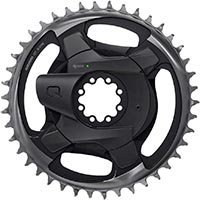
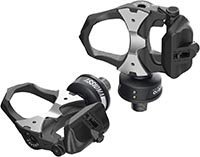
How to Use Training Zones for Fitness and Weight Loss
Consistency: Regularly incorporating rides in Zones 2 and 3 will help build endurance and burn fat.
Intensity: Integrate higher intensity intervals (Zones 4-5) a few times a week to boost metabolism and increase calorie burn.
Variety: Mixing different training zones keeps workouts interesting and targets different energy systems.
Recovery: Ensure you include active recovery rides (Zone 1) to allow your body to recover and adapt to training stresses.
By understanding and utilizing these training zones, you can effectively structure your cycling workouts to improve fitness levels and achieve your weight loss goals.
Related Post: Science Shows HIIT on a Bike is the Best Exercise to Fight Aging – And We Show You How to Do it
| |
| |
| |
High Intensity Interval Training (HIIT) Could be Your Best Choice to Lose Weight Cycling
There is much debate about which of the above three ways of exercising is better for fat-burning. The consensus seems to be that interval training is more effective for fat burning, gets you fit faster, and is the most effective for fighting aging. The Journal of Applied Physiology reported that two weeks of alternate-day interval training boosted cyclists’ fat-burning ability by a whopping 36%. And the Journal of Cell Metabolism reported that high-intensity interval training on bikes was the most effective way for people to fight aging – with the positive results being most pronounced in older people.
Also, if you really want to boost your fat burning, you might want to combine your exercising with a fat burning supplement based on natural products, such as Phen375. There are a whole range of products out there – we suggest you do your research to find the right one for you. Or, just ride your bike more!

 Find fun places and just get out there and ride your bike!
Incorporate a Variety of Training Options to Optimize Your Quest to Lose Weight Cycling
If you read my Cycling Training Plan for Novices and Complete Beginners you will see that I have incorporated all three kinds of bike training, as well as other ways of training. This enables you to get the best of all worlds, and burn fat in as many ways as possible – while also fighting aging.
Read it Here: Our Complete (and Simple) Bike Training Plan
or try our Cycling Training Plan for Novices and Complete Beginners
|  | 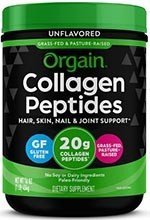 Orgain Collagen Peptides. Almost no taste; this is the one we use. Best Price Right Now on Amazon: | 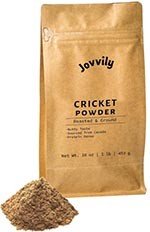 Jovilly Cricket Protein Powder. Pure ground crickets, made in Utah. 2 tablespoons = 11 grams of protein. Best Price Right Now on Amazon: | |
Related Posts that May be Helpful for You
Related Post: 9 Useful Tips for Women Bike Commuters
Related Post: Top Ten Tips to Lose Weight Cycling
Related Post: 5 Quick and Easy Tips to Lose Weight Cycling
Related Post: Intermittent Fasting, Cycling, HIIT, and Weight Loss
Check Out Our Most Popular Posts! | ||
| ||
Did you enjoy this post or find it helpful? If so, please support our blog! We write this blog because we love cycling. But we also need to earn a living, so we would appreciate it very much if you click through to one of our reputable affiliates for your online shopping. We are proudly affiliated with Amazon, which sells pretty much everything, and has outstanding shipping and return policies. When you buy from our affiliates we make a small commission, and this is the only way we earn any income. Plus, it costs you nothing at all - a real win/win situation! We here at Average Joe Cyclist do not receive any information AT ALL about who you are, where you live, or what your dog's name is. Buying through our Amazon links is simply an anonymous way to thank us for our efforts, like tossing a few coins in a tip jar. Except that it is Amazon who tosses the coins, not you! | ||




Leave a Reply