
This post explains in detail the steps you can take to get back to cycling and swimming after an episode of Piriformis Syndrome. The pain of this syndrome can immobilize you, but this post will help you to get back to the sports that you love.
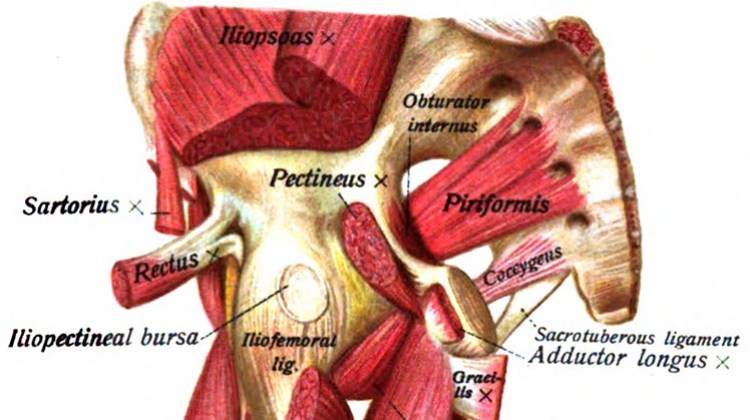
Piriformis Syndrome is a neuromuscular condition that often afflicts cyclists, especially if we are riding a bike that is not properly fitted. One or both of the piriformis musclesin the buttocks becomes inflamed. Then, the piriformis muscle may irritate or compress the sciatic nerve, leading to pain, tingling, or numbness in the buttocks and along the path of the sciatic nerve descending the leg. This combination of inflammation and pain is called the Piriformis Syndrome.
Piriformis Syndrome can shut down your ability to ride and swim when it flares up. If you’ve suffered a severe case, your recovery needs to be gradual, structured, and focused on preventing reinjury. Jumping back into cycling or swimming too soon could bring the pain right back.
This step-by-step guide will help you safely regain strength, mobility, and confidence on the bike and in the pool. Cycling places stress on the piriformis muscle, so it’s essential to build strength and mobility before getting back on your bike. Incorporating swimming and pool walking will enhance your recovery by reducing impact while improving flexibility, circulation, and strength. Here’s how you can safely return to cycling and swimming.
Related Post: How to Prevent and Treat Iliotibial Band Syndrome (ITBS)
Phase 1: Initial Recovery & Mobility (Weeks 1-2)
At this stage, the goal is to reduce pain, restore mobility, and engage in gentle movements that won’t strain the piriformis.
- Pool Walking: Start with 10-15 minutes of walking in chest-deep water. The buoyancy reduces strain on your piriformis while gently activating your glutes and hip muscles.
- Swimming: If comfortable, begin with 5-10 minutes of gentle swimming, focusing on strokes that minimize hip rotation (e.g., backstroke, gentle breaststroke kicks, possibly breaststroke, but stop if you feel strain in the hip area).
- Stretching: Daily gentle stretching of the piriformis, hamstrings, and hip flexors. You can do these in the pool for extra support. Refer to our post on Exercises and Stretches for Piriformis Syndrome in Cyclists.
- Strength Work: Seated leg lifts, slow glute bridges, and isometric glute contractions (avoid anything that triggers pain).
- No Cycling Yet. Let your body adapt to movement without strain.
Milestone to Move Forward: No sharp pain while walking, standing, gently swimming, or doing gentle exercises.
Related Post: Exercises and Stretches for Piriformis Syndrome in Cyclists
Phase 2: Gradual Strength Building & Low-Resistance Cycling (Weeks 3-4)
Now, you’ll start rebuilding strength while reintroducing cycling in a controlled manner.
- Pool Walking: Increase to 20-25 minutes per session, incorporating sideways and backward walking to engage different muscle groups.
- Swimming: Continue for 15-20 minutes, adding light flutter kicks to gradually engage hip stabilizers.
- Strength Work: Water-based leg lifts, gentle squats in the pool, and resistance band work outside the pool. For ideas, see our post on Exercises and Stretches for Piriformis Syndrome in Cyclists.
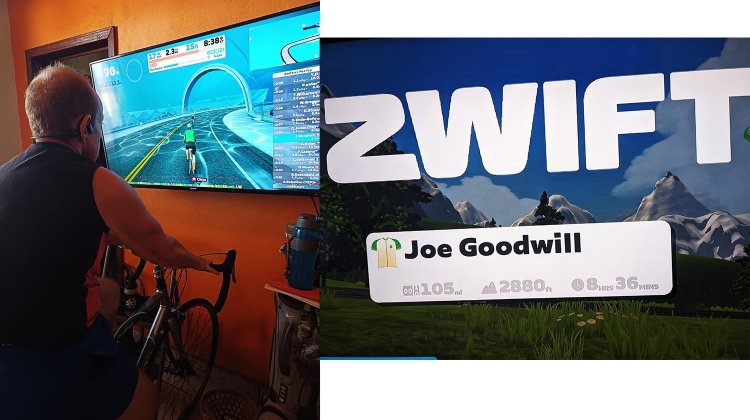
- Cycling: If you have the necessary equipment, introduce 5-10 minutes on a stationary bike with low resistance, ensuring no pain or tightness. This would be a good opportunity to explore the gentler courses in Zwift or Rouvy. But if you are in Zwift, resist the temptation to join a group ride, follow a bot, or spontaneously race with other cyclists! And be absolutely certain that your bike fits correctly. Don’t think it doesn’t matter just because you are indoors. If anything, you need to be more careful indoors, because stationary bikes are immobile and do not flex to make allowance for your body. Bike fitting expert Phil Burt, author of the best-selling book Best Fit, advises that you adopt a more upright, relaxed position on an indoor bike. This will help keep your hips more open, and aid you in transferring watts to your avatar. There is no advantage in being crouched aerodynamically over your handlebars when you are not actually moving!
- Stretching and Mobility Work: Continue with targeted stretches before and after workouts.
Milestone to Move Forward: 10 minutes of easy indoor riding without symptoms.
Related Post: Piriformis Syndrome in Cyclists – How to Prevent and Cure It


Phase 3: Increased Endurance & Road Readiness (Weeks 5-6)
As your strength improves, it’s time to increase endurance and prepare for outdoor cycling.
- Pool Workouts:
- Pool walking: Increase to 30 minutes, alternating speeds.
- Swimming: 20-30 minutes, including light kicking with a kickboard.
- Strength Training: Add bodyweight squats, glute bridges, and clamshell exercises outside the pool.
- Cycling Progression:
- Stationary bike: 20-30 minutes at moderate resistance.
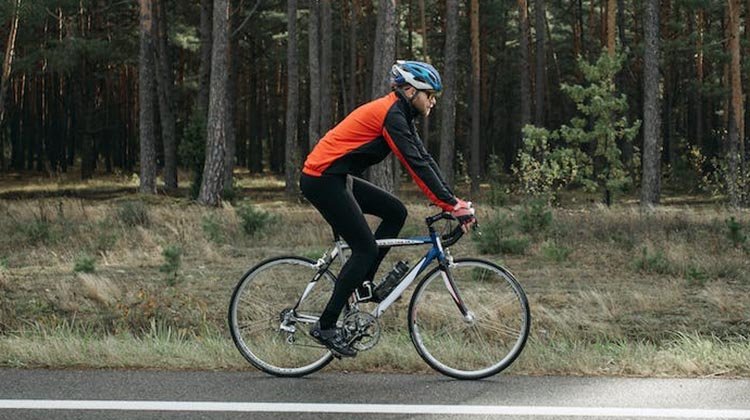
- Short, flat outdoor rides (10-15 minutes), focusing on smooth pedaling and proper posture.
Note: Before you get back on your bike, make sure your bike fits you perfectly. It is extremely likely that an ill-fitting bike caused your Piriformis problems in the first place. If you can’t afford a professional bike fitting, consider using an AI app such as MyVeloFit, or consulting the excellent book, Bike Fit: Optimise Your Bike Position for High Performance and Injury Avoidance. Also, the most important thing about bike fit is getting your saddle right, so check out our post: How to Find the Right Height and Setback for Your Bike Saddle.
- Post-Ride Recovery: Gentle pool walking and stretching to prevent tightness. What better way to relax your body after a bike ride than getting into the water!

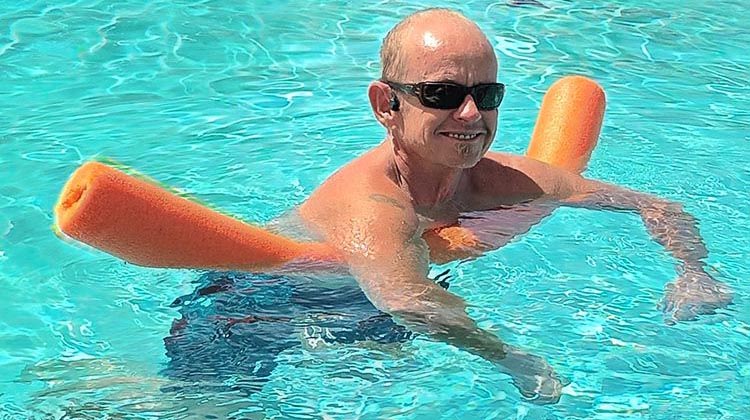 What better way to relax your body after a bike ride than getting into the water!
Milestone to Move Forward: Riding indoors for 30 minutes or outdoors for 15 minutes without lingering tightness.
Related Post: How to Find the Right Height and Setback for Your Bike Saddle
 |  |
 |  |
Phase 4: Full Return to Cycling (Weeks 7-8+)
By now, you should be able to cycle with more confidence and comfort.
- Swimming for Recovery: Use swimming as an active recovery tool after rides to reduce inflammation and maintain mobility.
- Pool Walking: Continue 2-3 times per week for cross-training benefits.
- Lap Swimming: If you were previously a lap swimmer, now is the time to ease yourself back into your previous lap swimming routine.
- Cycling Progression: Gradually increase ride duration and intensity, avoiding hills or excessive climbing initially.
- Listen to Your Body: If pain or tightness returns, scale back and focus on pool-based exercises.
Final Thoughts
Swimming and pool walking are excellent tools to facilitate your return to cycling. They offer a low-impact way to strengthen your muscles while avoiding excessive strain on your piriformis. Complement this with the right stretches and strengthening exercises, and ease back into cycling, starting with indoor cycling. By gradually increasing your workload and listening to your body, you’ll ensure a smoother recovery and a stronger, pain-free return to the sports you love.
 | |  |
Related Medical Posts for Cyclists
Related Post: Exercise Doesn’t Help with Fat Loss – A Myth that Needs to be Busted?
Related Post: How to Come Back from a Cycling Injury
Related Post: Four Steps to Prevent and Recover from Cyclist’s Knee (Patellar Tendinitis)
Related Post: How to Modify Your Bike to Cycle with Thumb Arthritis (CMC Arthritis) or De Quervain’s Tenosynovitis
Related Post: Can Cycling Cause Penis Numbness, Erectile Dysfunction, and Prostate Cancer?
Related Post: 3 Easy Tips for Preventing Plantar Fasciitis – and 5 Simple Exercises to Cure It
Related Post: How to Prevent and Treat Iliotibial Band Syndrome (ITBS)
Related Post: Piriformis Syndrome in Cyclists – How to Prevent and Cure It
Related Post: A Step-by-step Guide to Returning to Cycling After Severe Piriformis Syndrome
Related Post: Exercises and Stretches for Piriformis Syndrome in Cyclists
Related Post: How to Cure Cycling Knee Pain with a Miraculous, Cheap Cure
Related Post: 5 Doctor’s Tips to Start Cycling Again after Knee Replacement Surgery
Related Post: Science Shows that Exercise is a Miracle Cure and Protects You from Diseases
Related Post: 7 Ways to Prevent Cycling Knee Pain
Related Post: Video: 3 Exercises for Cycling Knee Pain
Check Out Our Most Popular Posts! | ||
| ||
Did you enjoy this post or find it helpful? If so, please support our blog! We write this blog because we love cycling. But we also need to earn a living, so we would appreciate it very much if you click through to one of our reputable affiliates for your online shopping. We are proudly affiliated with Amazon, which sells pretty much everything, and has outstanding shipping and return policies. When you buy from our affiliates we make a small commission, and this is the only way we earn any income. Plus, it costs you nothing at all - a real win/win situation! We here at Average Joe Cyclist do not receive any information AT ALL about who you are, where you live, or what your dog's name is. Buying through our Amazon links is simply an anonymous way to thank us for our efforts, like tossing a few coins in a tip jar. Except that it is Amazon who tosses the coins, not you! | ||









Leave a Reply