
This post presents a step-by-step plan for you to come back to cycling after a cycling injury. Almost all cyclists sustain injuries from time to time. For example, a poor bike fit or overuse could lead to Piriformis Syndrome or patellar tendon irritation. I have had more than my share of these injuries. In fact, a while ago I suffered a really bad cycling injury that put me out of cycling for several months. Just before that cycling injury I could cycle up to about 50 km a day and feel just fine.
Then disaster struck with my cycling injury, and my body was set back horribly. For a long time all I concentrated on was getting back normal daily functions, because even the most simple things – like walking – were difficult. It was depressing as hell. But I tried to focus on imagining myself back in the saddle, cycling mile after mile, strong and effortless, like an athlete. I followed a step by step approach to get back on my bike. BUT with a difference: to start out, I cycled on my electric bike exclusively.

 My electric bike – a Haibike Sduro HardSeven
Using an e-bike meant I could go through the motions of cycling, but use as much (or more to the point, as little) energy as I wanted. Even using the motor at full power, each bike ride exhausted me, and I would lie on the couch afterwards, feeling like I’d been sat on by an elephant, and then had to run away from a ferocious rhinoceros. Not fun, and I am sure I was no fun to be with, lying on the couch and whining loudly.
Related Post: How to Modify Your Bike to Cycle with Thumb Arthritis (CMC Arthritis)
Nonetheless, I was happy and proud that I was at least going through the motions – my legs were pumping my pedals in a motion that exactly resembled being a real cyclist, even if I was benefiting from a whole lot of help. My mood improved, just because I was getting out there and getting SOME exercise. So of course, there was less whining, and Mrs. Average Joe Cyclist was happier too. And of course, I was getting to experience the joy of riding a bike – something I always find joyful, whether it’s on a regular bike or an electric bike, in the sunshine, or in a monsoon-like rain storm.
I took Maggie’s advice and took it slow. Truth to tell, even I knew it was smart to take it slow. Our step-by-step guide below explains exactly how to pace your return to cycling after injury.
Related Post: How to Prevent and Treat Iliotibial Band Syndrome (ITBS)
Related Post: A Step-by-step Guide to Returning to Cycling After Severe Piriformis Syndrome
Step-by-step Plan to Come Back to Cycling After an Injury
Here is the structured plan that I followed. With various personal tweaks, this plan will work for you as well.
Step 1: Rehab Before You Ride
Before getting back in the saddle, ensure you’ve completed your rehabilitation phase:
- Pain-Free Daily Movement: Can you walk, squat, and go up stairs without pain?
- Strength & Flexibility Work: Have you rebuilt muscle balance with exercises for your glutes, quads, and core?
- Professional Clearance (if needed): If you had a severe injury, a physiotherapist should give the green light.
Step 2: Test the Waters Indoors (Week 1-2)
Start with short and controlled rides on an indoor trainer:
- Session Length: 15–20 minutes at an easy effort
- Resistance: Low, with a smooth cadence (85–95 RPM)
- Post-Ride Check: Any pain or stiffness? If so, back off and return to rehab.
In my case, I did this step with an electric bike, and I stayed with this step for about a month.
Step 3: Reintroduce Outdoor Rides (Week 2-4)
Now that you’re comfortable indoors, ease back onto the road:
- First Outdoor Ride: Flat terrain, 20–30 minutes, light effort
- Gradual Progression: Increase by 5–10 minutes per ride, watching for any discomfort
- Avoid High-Load Riding: No hills, sprinting, or long rides yet
Step 4: Adjust Your Bike Setup
If your injury stemmed from a poor bike fit, now is the time to correct it!
- Saddle Height & Setback: Prevent overloading the knees or hips
- Cleat Position & Float: Ensure proper foot alignment
- Handlebar Position: Reduce strain on the lower back and hips
Related Post: How to Find the Right Height and Setback for Your Bike Saddle
Step 5: Build Strength & Endurance (Week 4-6)
As you gain confidence, gradually increase intensity:
- Ride Duration: Increase to 45–60 minutes, still avoiding hills
- Cadence Focus: Keep pedaling smoothly at 90+ RPM to reduce joint strain
- Light Climbing & Resistance: Introduce small hills or gentle gear increases
Step 6: Return to Normal Training (Week 6+)
By this stage, you should be close to pre-injury fitness:
Increase Ride Length: 1–2 hours, adding mild climbs
Introduce Intervals: Short efforts at 75–85% effort
Listen to Your Body: If any pain returns, scale back
Related Post: Exercises and Stretches for Piriformis Syndrome in Cyclists
 |  |  |  |  |

 Electric bikes will help you to get out and about, enjoying the outdoors and improving your mood
Returning to Regular Cycling
I did not try to graduate to a regular bike until the rides on my electric bike did not cause pain. Finally I got there, and I started interspersing my electric bike rides with regular bike rides.
On my very first ride on my regular bike, I was passed on an uphill by an older man. He gave me a huge smile and confided, “I don’t usually PASS people!” I looked at him in his full construction gear, including steel-toed boots, riding his rusty, ancient bike. I was riding my slick-looking racer, and was decked out in cycling gear from head to toe. Regardless, he passed me with the greatest of ease. Because I am a nice guy, I resisted the urge to shout angrily: “I’m coming back from an injury!” Instead, I forced a smile through my teeth, said “Good for you!”, and let him enjoy his moment of triumph. (I’ll get him one day …)
In short, it was a bit depressing at first. I could do 80 km with ease before, and suddenly 10 km was tiring – and 20 km was killer. But I kept going, inching up my distances, trying to slowly improve without overdoing it.
After a few weeks, I finally started to ENJOY the rides on my regular bike. I found myself standing up in the pedals, feeling exhilarated, feeling like an athlete. It’s absolutely the best feeling you can have with your clothes on.
I’m still not all the way there. I can still only do about two rides on a regular bike per week. But that’s a lot better than when I first had my cycling injury. And I can feel my strength growing and my energy increasing. Every day I feel just a tiny bit stronger. And I can feel the joy of cycling rising in my heart again.
The point is, it’s a process to come back from a cycling injury. Here are our key tips for this process.
Tips for Coming Back from a Cycling Injury

 As we age, we may develop balance problems that make cycling impossible. Some people, such as Dr. Len, move to electric tricycles to be able to keep enjoying cycling
- Take it slow, and listen to your body.
- Don’t give up, and trust that you will get there.
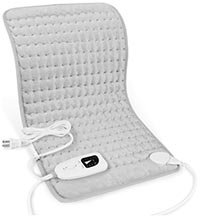
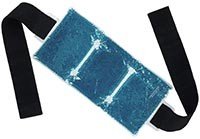
- Follow the advice of your doctor or physiotherapist, and keep icing or heating (or both), as directed.
- Consider using alternative aids, such as a stationary bike or an electric bike, to ease yourself back into regular cycling.
- Be flexible. For example, if you are getting very old, or if you have a disability, then maybe you just need to stick to an electric bike, or a tricycle, or maybe even an electric trike. As with the gym, it is essential to check your ego at the door. It’s about how you feel, not about how anyone else perceives you.
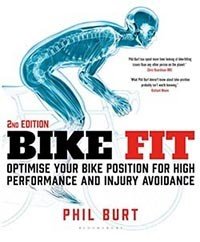
- Whether you use a regular bike or an e-bike, make sure that it fits you perfectly.
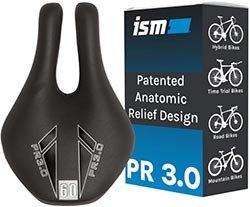
- Make sure you have the right saddle and, more importantly, that it is set at exactly the right height. Also make sure that your saddle setback is correct (that’s how far forwards or back it is on the bike relative to the bottom bracket, on the horizontal plane).
- Once you are cycling again, build up slowly, carefully, and consistently.


Related Post: How to Figure out Your Optimal Saddle Height and Setback
Good luck with your journey back to cycling! Remember what bought you to cycling in the first place: the love of cycling. You still have that love, and you can and will enjoy cycling again.
 | |  |
Related Post: Exercise Doesn’t Help with Fat Loss – A Myth that Needs to be Busted?
Related Post: Four Steps to Prevent and Recover from Cyclist’s Knee (Patellar Tendinitis)
Related Post: How to Modify Your Bike to Cycle with Thumb Arthritis (CMC Arthritis) or De Quervain’s Tenosynovitis
Related Post: Can Cycling Cause Penis Numbness, Erectile Dysfunction, and Prostate Cancer?
Related Post: 3 Easy Tips for Preventing Plantar Fasciitis – and 5 Simple Exercises to Cure It
Related Post: How to Prevent and Treat Iliotibial Band Syndrome (ITBS)
Related Post: Piriformis Syndrome in Cyclists – How to Prevent and Cure It
Related Post: Returning to Cycling and Swimming after Severe Piriformis Syndrome: A Step-by-Step Plan
Related Post: A Step-by-step Guide to Returning to Cycling After Severe Piriformis Syndrome
Related Post: Exercises and Stretches for Piriformis Syndrome in Cyclists
Related Post: How to Cure Cycling Knee Pain with a Miraculous, Cheap Cure
Related Post: 5 Doctor’s Tips to Start Cycling Again after Knee Replacement Surgery
Related Post: Science Shows that Exercise is a Miracle Cure and Protects You from Diseases
Related Post: 7 Ways to Prevent Cycling Knee Pain
Related Post: Video: 3 Exercises for Cycling Knee Pain
Check Out Our Most Popular Posts! | ||
| ||
Did you enjoy this post or find it helpful? If so, please support our blog! We write this blog because we love cycling. But we also need to earn a living, so we would appreciate it very much if you click through to one of our reputable affiliates for your online shopping. We are proudly affiliated with Amazon, which sells pretty much everything, and has outstanding shipping and return policies. When you buy from our affiliates we make a small commission, and this is the only way we earn any income. Plus, it costs you nothing at all - a real win/win situation! We here at Average Joe Cyclist do not receive any information AT ALL about who you are, where you live, or what your dog's name is. Buying through our Amazon links is simply an anonymous way to thank us for our efforts, like tossing a few coins in a tip jar. Except that it is Amazon who tosses the coins, not you! | ||






Michael H. Johnson says
If you’re not a regular cyclist, build your mileage up gradually as this will decrease likely injuries. Look to develop the speed at which you cycle, it’s this cadence that helps develop cardiovascular capacity, and will help you get a good base level of fitness. If you’ve been a sporadic cyclist, start building a more regular programme into your routine and develop your fitness from there. If you’re cycle fit and commute to work regularly or do regular rides, consider incorporating a few longer distance rides into your cycling and you should be fine. If you need advice, visit a Rutland Cycling shop and have a little chat with one of their cycling experts.