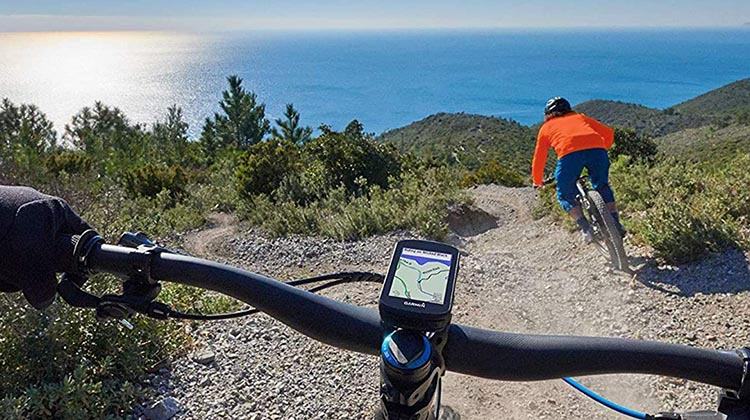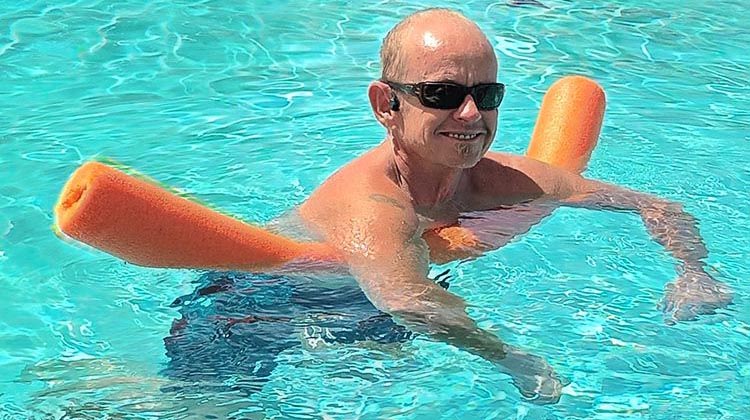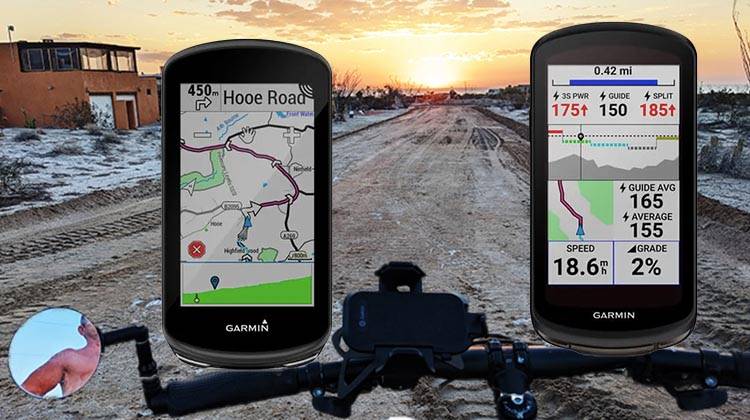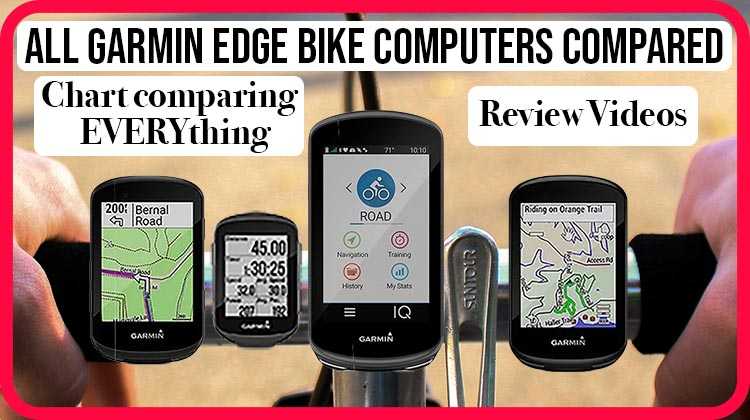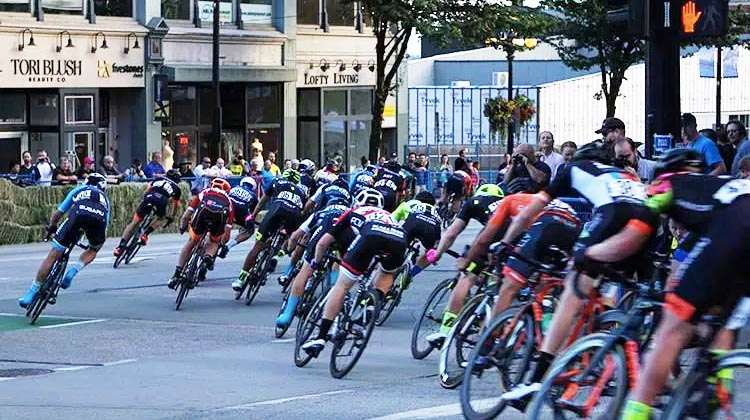
Here are some great tips for success to lose weight cycling, gathered from real human beings who have succeeded in their quest to lose weight cycling! Don’t believe those who tell you it is not possible to lose weight through exercise alone. I know it is, because I have done it myself, more than once. And so has Maggie. A big increase in exercise will help most people to lose weight. And cycling is a fun way to get more exercise.
Related Post: Exercise Doesn’t Help with Fat Loss – A Myth that Needs to be Busted?
Tip #1 to Lose Weight Cycling: Commit to devoting some of your time to cycling
Give up an hour of TV or computer time, as little as three days a week, to get a bike ride in. It WILL be worth it! My complete bike fit training plan is really simple to follow. In clear, easy-to-follow steps, it shows you how you can start to get cycling fit with just three bike rides per week. It also explains the myth of the fat burning zone, and tells you how to burn calories at maximum efficiency for your time investment.
Tip #2: Think about what you are eating to fuel your bike riding
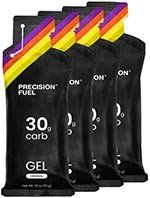
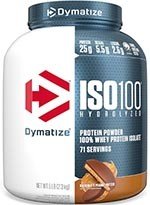
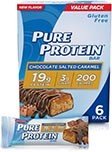
Weight loss depends partly on what you eat, as well as on how much you exercise. Don’t make the mistake of thinking that because you are exercising, you can eat whatever you like. Don’t make the mistake of thinking that a long bike ride is a license to eat non-stop. It is all too easy to end up eating more than you used up in cycling, so choose your calories wisely. Fuel your bike rides with sugar-free electrolytes, such as those in the graphic below. Replenish your muscles with low carb, low fat protein powder as soon as you finish your ride. This will fill you up before you have time to reach for the empty calories provided by candy, cookies and pastries.
 |  |
 |  |
 | |
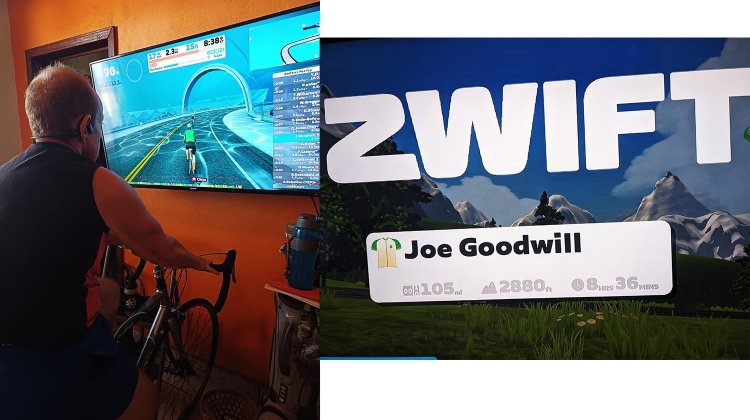
Related Post: 7 of the Best Budget Indoor Bike Trainers
Tip #3 to Lose Weight Cycling: Don’t be intimidated if other cyclists are thinner than you are
There is sometimes anti-fat discrimination in cycling circles, but ignore it! You have every right to ride a bike, regardless of of your size or shape! Check out our Complete Guide for Fat Cyclists for more encouragement, and guidance on picking the right bike for your size.


 Several years and many pounds later. Still not a greyhound, but so much healthier thanks to regular cycling
Tip #4: Get the Right Bike
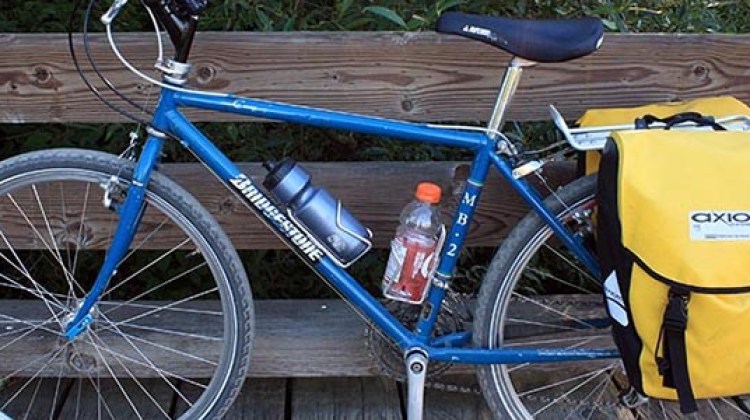
If you are starting out as a very heavy person, make sure you get a bike that is robust enough for you. A light-weight racer would not be the best bike to start out on. A mountain bike or a hybrid would be a better choice.
Click here for a post that includes a guide to choosing the right bike if you are a heavier cyclist. Also, make sure you get the right size bike, so it is comfortable and safe for you. Here’s a guide to getting the bike frame size right, which includes an explanation of how your ape index fits into the picture.
Related Post: Complete Bike Frame Size Guide

 If you are a heavier cyclist, you may need a stronger bike to get started. You may even need an electric bike. Just find the appropriate bike, and get started!
Tip #5 to Lose Weight Cycling: Start Small and Work Your Way Up
As the saying goes, a long journey starts with a single step. I would add to that and say that a long journey consists of many, many small steps. Over time, you become the things you do every day. Cycle a little every day, and you become a cyclist, and eventually start to look like one. However, take it slow and steady. Don’t go out and cycle two hours the first day, then find that you are too tired (and too sore!) to cycle again for a week.
Build up slowly and minimize the pain. No-pain-no-gain is just not true. And the older you are, the less true it becomes. See my Complete Bike Fit Bike Training post, which shows you how to start slowly and build up to great things step-by-step.
Related Post: How Many Calories do You Burn Cycling?
Tip #6 for Cycling Weight Loss: Record Your Rides
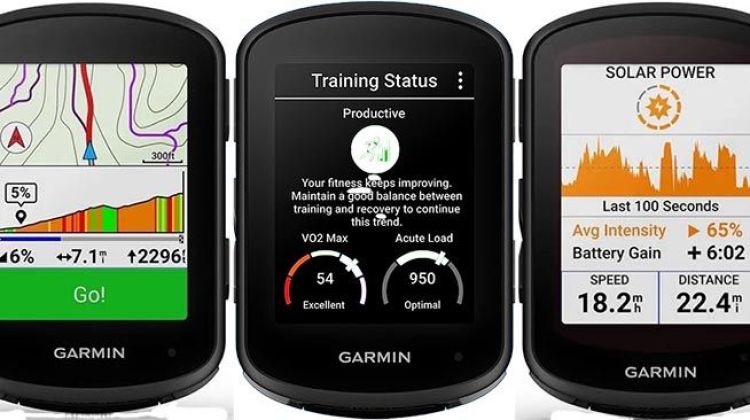
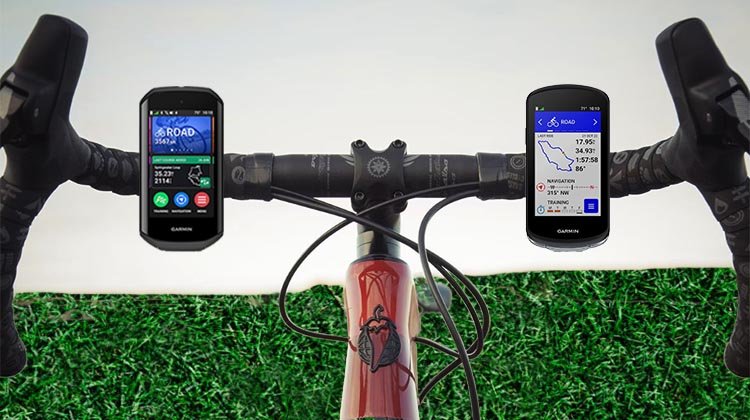
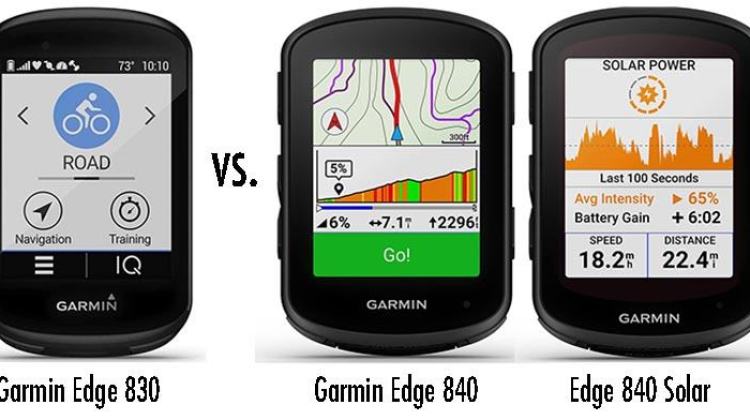
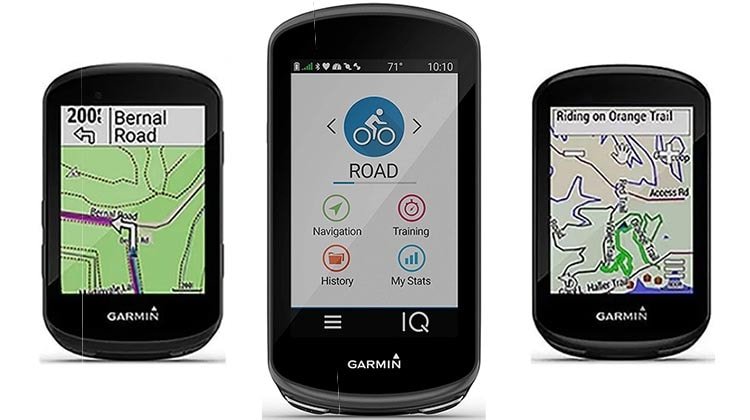
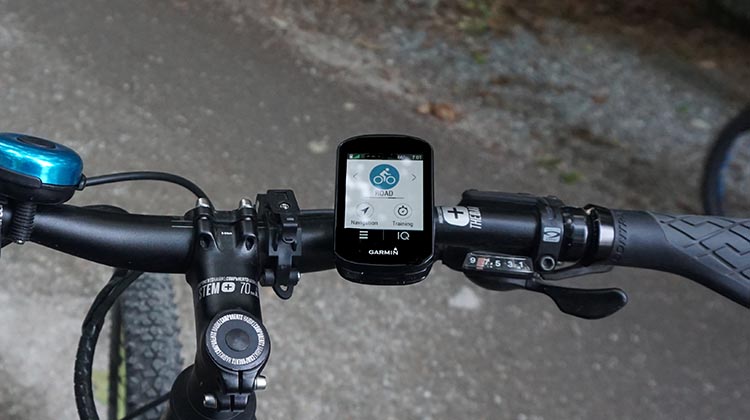
Recording your rides enables you to track your progress. It will also motivate you to ride more. It’s a way of challenging yourself by competing with yourself. You can use Garmin Connect, if you have a Garmin bike computer. Here’s a post that compares the most popular Garmin bike computers.
Related Post: Exercise Doesn’t Help with Fat Loss – A Myth that Needs to be Busted?
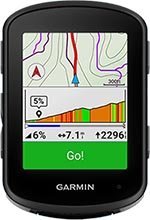 | 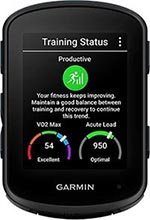 | 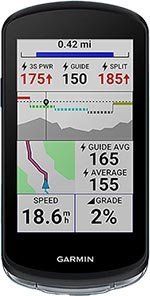 |
|---|
Or, just use a great smart watch or activity tracker. This is my personal choice for easily recording all of my activities. Pair it up with a great app, and you have a permanent record of all your exercise, plus lots of motivation.
Click here for the current best price of the Garmin Venu Sq 2, which is the most highly recommended smart watch for cyclists to record rides, navigate, and follow cycling training plans. It is rated as Best Fitness-Focused Smart Watch, most affordable, and “Excellent” by PC Mag.
Use an App
Also, there are a host of apps you can download to your smart phone to track your rides for FREE. Good ones include Strava, Map my Ride, Google Maps, Cyclemeter, and Wahoo Fitness. Strava is my favorite, and it’s good for the global cycling community as well.
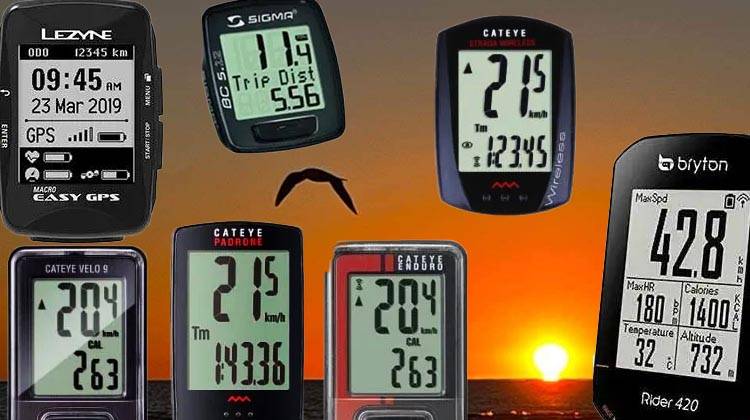
Or Just Use a Small and Simple Bike Computer
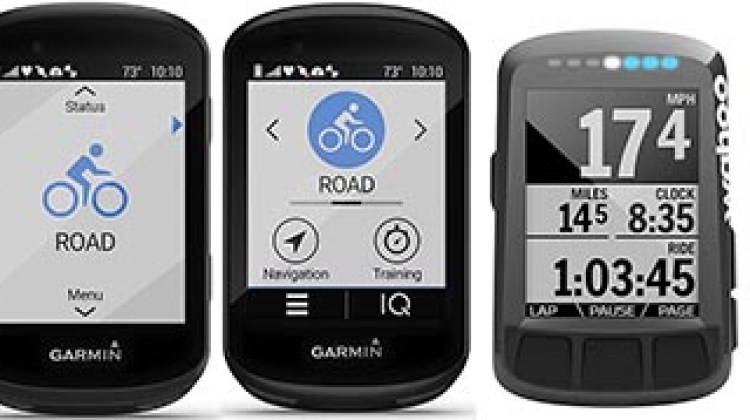
You can also buy the excellent and simple-to-use Garmin 130 Plus. It’s small, it’s easy, and it is affordable. Nothing is more motivating than looking back and feeling great about how many miles you have ridden, and how far you have come! You can compete against yourself, and also against other cyclists, if you follow each other. Another affordable option is the Wahoo ELMNT Bolt.
| Wahoo ELEMNT Bolt - about $280 - please click here to see current best price on Amazon | 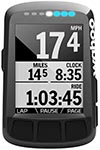 | Garmin Edge 130 Plus - about $200 - click to check current price on Amazon | 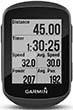 |
Related Post: How to Get Bike Fit: Complete Bike Training Plan
Tip #7 to Lose Weight Cycling: Get a Heart Rate Monitor to Help You to Train Smart
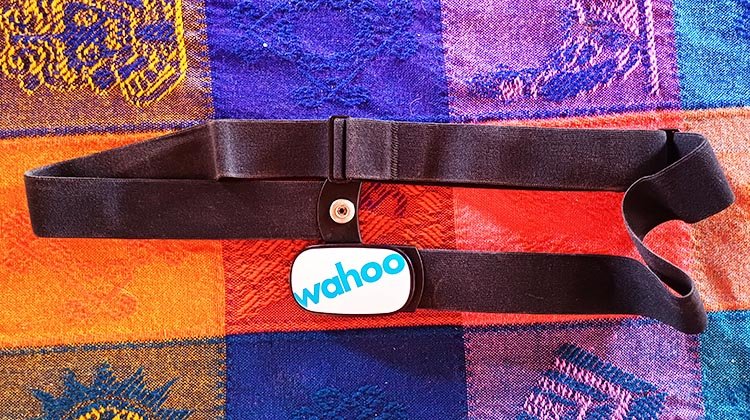
See this post on how to use a heart rate monitor to get fit. Don’t think that monitoring the intensity of your exercise is only for very serious athletes. It is in fact very useful to monitor your cycling intensity, so that you can make sure you maximize your fitness gains for the time you put in. Otherwise, it is just too easy to under- or overestimate how hard you are training. Both are self-defeating.
With under-estimation, you risk burning yourself out through over-training and exhaustion; with over-estimation of intensity, you won’t get much fitter or see any gains. A heart rate monitor helps you to ensure that you are always in the correct zone for maximum fitness gains and calorie burn.
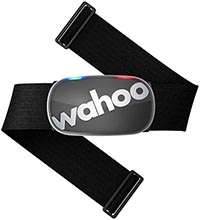 | 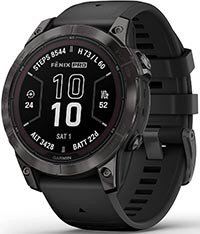 | 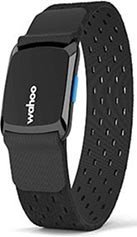 | 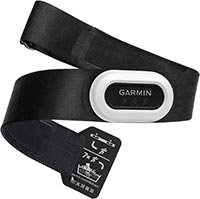 | 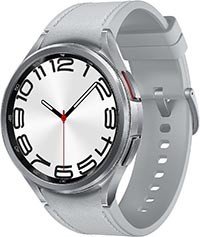 |
Chart of Perceived Exertion to Monitor How Hard You Are Training
If you don’t want to buy a heart rate monitor, use this chart of perceived exertion. Most of your training should be done in Zones 2 through 4. Find more details in our training posts!
| Zone 1 (Low intensity) | 1 to 2 | Light | I'm so comfortable I could do this all day! | Strengthens your heart. Contributes to reducing body fat, cholesterol, and blood pressure. | 50% to 60% of maximum heart rate |
| Zone 2 (Weight Control) | 3 to 4 | Moderate | I can feel that I am exercising, but I feel good and can easily carry on a conversation | Strengthens your heart and your mitochondria (the powerhouses of your cells). Contributes to reducing body fat, cholesterol, and blood pressure. 65% of calories burned in this zone are calories from fat. | 60% to 70% of maximum heart rate |
| Zone 3 (Aerobic) | 5 to 6 | Intense, but not exhausting | I am a bit breathless now, and I don't want to talk | Great zone for weight loss, strengthening muscle, and general fitness. Burns 50% carbs and 50% fat. | 70% to 80% of maximum heart rate |
| Zone 4 (Anaerobic) | 6 to 8 | Intense and exhausting | Breathing is labored, and talking is not an option unless in cases of emergency. Most people should only do this in short spurts, 2 to 3 days per week | Improves both endurance and fitness. Cannot be sustained for long enough to be significant for weight loss. | 80% to 90% of maximum heart rate |
| Zone 5 (Maximum) | 9 to 10 | As Intense as is Physically Possible for You | In this zone, you can only focus on the activity, such as cycling or running as fast as possible. Talking is out of the question. Loud grunts might be possible (think power lifting competitions). | Can only be done in short bursts, around 1 to 2 minutes. It is used to improve athletic performance, but comes with a high risk for injury. Mainly used as a training tool only by competitive athletes. | 90% to 100% of maximum heart rate |
Related Post: Best Smart Indoor Trainers
Or Just Use a Fitness Tracker to Do it All
Alternatively, just get a fitness tracker, so that you have got both Tip #6 (record your rides) and Tip #7 (record your heart rate) covered in just one gadget! These also have the advantage that you don’t have to wear a sweaty chest band. Cycling Magazine rates the best activity tracker/smart watch for cyclists as the Garmin fenix 7X Pro Solar Edition. Click here to check the current best price on Amazon.
Related Post: 7 of the Best Fitness Trackers for Cyclists
If you prefer something a little more feminine, and a lot less clunky, consider the Fitbit Charge 6.
Tip #8 for Cycling Weight Loss: Mix it up
When it comes to succeeding in fitness plans, variety is key. So, find ways to mix it up. Ride different routes to keep it interesting. If you can, ride different bikes too. For example, a racer will give you a good commute and a nice speed high, but mountain biking will give you more of a full body workout. Also, when mountain biking you can explore nature, which can be a whole lot of fun. Maggie and I have spent endless hours on mountain trails, burning calories without even thinking about it.

 Maggie and I love getting out into nature on mountain bikes. It’s a really fun way to exercise
Another way to mix it up is to cross train, that is, simply do other kinds of exercise. Almost all cyclists can benefit from yoga, which will stretch out many of the muscles that can become over-contracted during cycling.

 Maggie and I have discovered that yoga is a valuable complement to cycling. It can also help with rehabbing injuries and reducing pain
Tip #9: Be prepared to spend some money
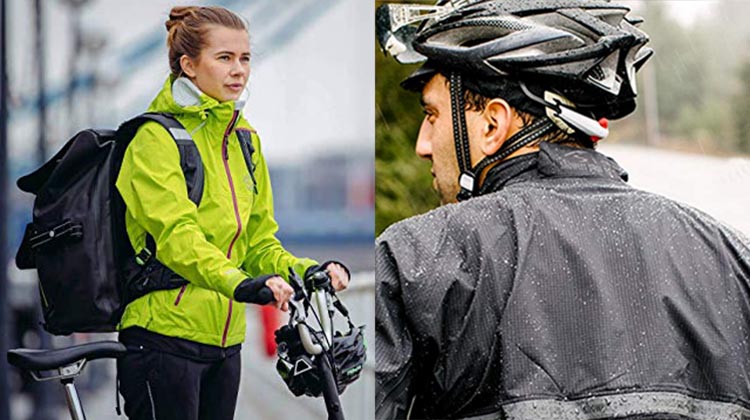
You can’t spend a lot of time on a bike if you are uncomfortable, cold, and wet. Invest in the items you need, such as a comfortable saddle, a waterproof cycling jacket, decent cycling shoes, and padded undershorts. Once you’ve spent all that money, you’ll feel obligated to get out there and bike! (That psychology works for me, anyway.) Here’s a post all about how to dress for cycling.
Related Post: Health Benefits of Cycling: Research Shows that Exercise is a Miracle Cure
Tip #10 to Lose Weight Cycling: Plan some rewards for yourself along the way
To stay motivated, set goals and link them up to rewards. For example, give yourself a reward when you have ridden your first 100 miles. And the first 200 … and so on. Pick a reward you like that will not actively sabotage your goals! For example, reward yourself with a puppy when you hit 1,000 miles! That way, you will start doing some walking as well.


Good luck on your quest for fitness, fun, and weight loss!
Check Out Our Most Popular Posts! | ||
| ||
Did you enjoy this post or find it helpful? If so, please support our blog! We write this blog because we love cycling. But we also need to earn a living, so we would appreciate it very much if you click through to one of our reputable affiliates for your online shopping. We are proudly affiliated with Amazon, which sells pretty much everything, and has outstanding shipping and return policies. When you buy from our affiliates we make a small commission, and this is the only way we earn any income. Plus, it costs you nothing at all - a real win/win situation! We here at Average Joe Cyclist do not receive any information AT ALL about who you are, where you live, or what your dog's name is. Buying through our Amazon links is simply an anonymous way to thank us for our efforts, like tossing a few coins in a tip jar. Except that it is Amazon who tosses the coins, not you! | ||