
In this post, we explain why cycling is the ultimate full-body workout, and show you how to make sure you are reaping the maximum benefits from cycling. If you’ve ever hopped on a bike and felt the wind rush past you as your legs powered you forward, you probably already know that cycling is a great workout. But did you know that it’s not just about your legs?
A lot of people assume cycling is mainly a leg workout, but in reality, it engages your core, upper body, and cardiovascular system, making it a full-body exercise with serious benefits. Plus, it’s fun, low-impact, and adaptable for all fitness levels. Whether you’re riding for fitness, commuting, or just enjoying the outdoors, cycling can be a game-changer for your overall health. Maggie and I have enjoyed it for years, and we know it has been a vital part of keeping us fit and healthy.
In this post, we’ll dive into what makes cycling such a well-rounded workout and how you can maximize its benefits. Our post includes advice on fueling your rides (nutrition for cyclists), as well as a Beginner’s Cycling Workout Plan to improve endurance and strength.

 Cycling can help you to build great legs – but it’s not just about the legs!
The Science Behind Why Cycling Works Your Whole Body
1. Legs: The Powerhouse of Cycling
No surprises here—your legs do a lot of the work. Your quadriceps, hamstrings, glutes, and calves all fire up when you pedal, helping you generate power and maintain speed.
- Quadriceps (front of thighs): Engage every time you push down on the pedal.
- Hamstrings (back of thighs): Help pull the pedal back up, especially with clip-in pedals.
- Glutes (butt muscles): Activate when you push down hard on the pedals, especially on climbs.
- Calves: Work to stabilize your pedaling motion and help you maintain balance.
The best part? Because cycling is low-impact, it strengthens your leg muscles without the joint strain of high-impact activities like running.
2. Core: The Secret to Better Balance
Your abs and lower back muscles work overtime when you ride, even if you don’t notice it.
- Your core helps you stay balanced on the bike.
- It absorbs shock from bumps and rough roads.
- A strong core makes long rides more comfortable and helps prevent lower back pain.
If you’ve ever noticed your abs feeling sore after a long ride, that’s because they’ve been stabilizing your entire body the whole time. I know that after a long bike ride, my entire body feels pleasantly worked out and tired. And if you regularly stand up on the pedals as you power uphill, you will definitely be able to feel how hard your core is working.
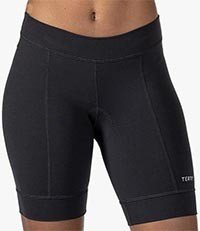
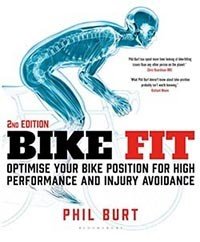
To protect your body as you ride, be sure to wear padded shorts, and ensure that your bike fits your body perfectly. To achieve this, you can pay for a professional fitting, buy an AI app such as MyVeloFit, or buy the truly excellent book, Bike Fit by Phil Burt. I have a well-thumbed copy of this book on my bedside table. It’s full of essential advice. It helps that the book is beautifully designed (as a publisher, I appreciate beautifully produced books).


 |  |
 |  |
3. Upper Body: More Than Just Holding the Handlebars
While cycling isn’t an upper-body strength workout in the way that lifting weights is, your arms, shoulders, and upper back play a huge role in stabilizing your ride.
- Your biceps and triceps support your weight, especially when leaning forward.
- Your shoulders and upper back help maintain posture and absorb shock.
- Your forearms and grip strength improve from holding onto the handlebars, especially during long rides or rough terrain. Be sure to wear good cycling gloves to absorb some of the impact and protect your wrists and elbows.
If you ride up hills or off-road, you’ll notice your arms getting an even bigger workout as you pull on the handlebars for leverage.
4. Heart and Lungs: The Engine That Keeps You Going
Cycling is one of the best cardiovascular workouts. Studies show that regular cycling improves heart health, reduces blood pressure, and boosts lung capacity (Harvard Medical School).
- Cycling strengthens your heart muscle, making it more efficient at pumping blood.
- Cycling helps lower bad cholesterol (LDL) and increase good cholesterol (HDL).
- Cycling boosts lung function, making it easier to breathe during other physical activities.
- Cycling is one of the best ways to improve your VO₂ max. A higher VO₂ max means your body can use oxygen more efficiently, which is directly linked to longer life expectancy and better quality of life.
One study found that cycling just 30 minutes a day reduces the risk of heart disease by up to 50% (British Heart Foundation). Pretty impressive for something that feels more like play than work!
Related Post: What Is the Optimal Frequency of HIIT Training on a Bike to Increase VO₂ Max?
Related Post: Science Shows that Exercise is a Miracle Cure and Protects You from Diseases
How to Maximize Your Cycling Workouts for Full-body Gains
1. Adjust Your Intensity
The harder you push, the better your workout. Mix up your rides with:
- Steady-state rides for endurance (riding at a moderate pace for a long time). This is the famous Zone 2 training that is so huge on YouTube at the moment!
- High-intensity intervals for speed and power (very short sprints followed by recovery intervals). See our post on the optimal frequency of HIIT training.
- Hill climbs to really engage your legs and core. Not to mention your heart and lungs, of course!

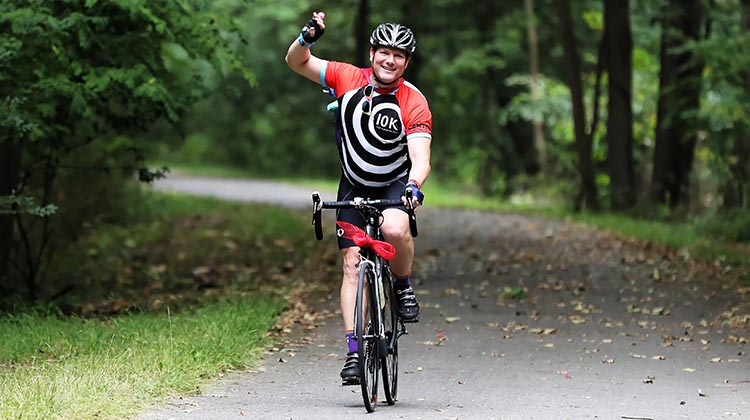 High Intensity Interval Training (HIIT) is a way to achieve maximum health and fitness benefits in short periods of time. Photo credit: Inspired Storytellers
2. Engage Your Core
Instead of just sitting on the saddle, actively engage your core by keeping a slight forward tilt in your pelvis and maintaining a strong posture. This helps protect your lower back and makes your core muscles work harder. Of course, the key to sitting on your bike correctly starts with having the right saddle at the correct height, setback, and tilt. We have a post that explains exactly how to fit your saddle perfectly.
Related Post: How to Find the Right Height and Setback for Your Bike Saddle
3. Use Your Arms and Shoulders More
To turn cycling into an even better full-body workout, try:
- Riding out of the saddle occasionally. Standing on the pedals increases your power, and gives your body a welcome change of position. This reduces your chances of repetitive strain injuries.
- Choosing rougher terrain, which forces your upper body to engage more.
4. Mix in Strength Training
Since cycling is non-weight-bearing, adding strength training can definitely improve your power on the bike. Try:
- Squats and lunges for stronger legs.
- Planks and Russian twists for a rock-solid core.
- Push-ups and pull-ups for better upper-body endurance.


Even two short strength sessions per week can make a noticeable difference. For a complete guide to this important aspect of cycling, check out this excellent book: Strength and Conditioning for Cyclists: Off the Bike Conditioning for Performance and Life by Phil Burt and Martin Evans. This book will teach you how to assess your exact needs, find your imbalances, and fine tune your strength training for maximum benefit.


This book will also help you to avoid injury, which is crucial. In my experience, injuries can destroy your progress and actually cause you to lose most of your gains. I have had way too many injuries, largely due to my desire to imitate the hare – even though my genetics clearly want me to imitate the tortoise.
5. Stretch and Recover
Cycling can make your muscles tight, so stretch regularly—especially your hip flexors, hamstrings, and lower back. Yoga and foam rolling can help keep you flexible and injury-free.
Related Post: Complete Guide to Stretching for Cyclists

 We like to do some yoga to stretch our bodies and avoid injuries
 | |
| |
Fueling Your Rides: Nutrition for Cyclists
What you eat before, during, and after a ride can make a huge difference in your energy levels and recovery.
Before Your Ride:
- Carbs (oatmeal, whole-grain toast, bananas) for quick energy.
- Protein (Greek yogurt, eggs, tofu, nuts) for muscle support.
- Hydration: Drink water before heading out.
During Your Ride:
- For rides under an hour: Just water is fine.
- For rides over an hour: Electrolytes and light snacks (energy bars, fruit, or nuts).
After Your Ride:
- Protein + carbs to help muscle recovery (chicken and quinoa, a smoothie with fruit and protein powder, or a tuna sandwich).
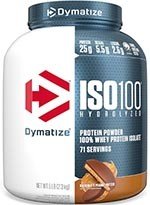
- My personal favorite: Put a scoop of chocolate protein powder, a cup of Greek yoghurt, and a cup of frozen strawberries into a blender, and blend for just a couple of seconds. It tastes like a dessert, but provides vital nutrition to help your body recover. It would still be delicious with other flavors of protein powder, but for me, it’s always about the chocolate.
- More hydration to replace lost fluids.
 |  |
 |  |
 | |
Sample Beginner’s Cycling Workout Plan
Want to get the most out of your rides? Here’s a simple 4-week cycling plan to improve endurance and strength. This plan is for people who already do some cycling, not for complete beginners. If you are a complete beginner, you would be better off with our Complete Cycling Training Plan.
Week 1-2
- Day 1: 30-minute steady ride at a moderate pace.
- Day 2: Rest or light stretching.
- Day 3: 20-minute ride with short sprint bursts (30 sec fast, 1 min slow).
- Day 4: Rest or strength training.
- Day 5: 45-minute endurance ride.
- Day 6: Hill ride or off-road cycling.
- Day 7: Rest.
Week 3-4 (Increase intensity)
- Day 1: 40-minute ride with sprint intervals.
- Day 2: Strength training.
- Day 3: 60-minute endurance ride.
- Day 4: Rest.
- Day 5: Hill climbs.
- Day 6: Easy recovery ride.
- Day 7: Rest.
Final Thoughts: Cycling is the Ultimate Full-body Workout, so Ride Your Way to Full-Body Fitness
Cycling isn’t just a leg workout—it’s a full-body experience that strengthens muscles, improves endurance, and supports heart and lung health.
With the right intensity, nutrition, and workout plan, you can turn cycling into the ultimate fitness routine.
So, what are you waiting for? Get on your bike and start pedaling toward better health!
Related Medical Posts for Cyclists
Related Post: Exercise Doesn’t Help with Fat Loss – A Myth that Needs to be Busted?
Related Post: How to Come Back from a Cycling Injury
Related Post: Four Steps to Prevent and Recover from Cyclist’s Knee (Patellar Tendinitis)
Related Post: How to Modify Your Bike to Cycle with Thumb Arthritis (CMC Arthritis) or De Quervain’s Tenosynovitis
Related Post: Can Cycling Cause Penis Numbness, Erectile Dysfunction, and Prostate Cancer?
Related Post: 3 Easy Tips for Preventing Plantar Fasciitis – and 5 Simple Exercises to Cure It
Related Post: How to Prevent and Treat Iliotibial Band Syndrome (ITBS)
Related Post: Piriformis Syndrome in Cyclists – How to Prevent and Cure It
Related Post: Returning to Cycling and Swimming after Severe Piriformis Syndrome: A Step-by-Step Plan
Related Post: A Step-by-step Guide to Returning to Cycling After Severe Piriformis Syndrome
Related Post: Exercises and Stretches for Piriformis Syndrome in Cyclists
Related Post: How to Cure Cycling Knee Pain with a Miraculous, Cheap Cure
Related Post: 5 Doctor’s Tips to Start Cycling Again after Knee Replacement Surgery
Related Post: Science Shows that Exercise is a Miracle Cure and Protects You from Diseases
Related Post: 7 Ways to Prevent Cycling Knee Pain
Related Post: Video: 3 Exercises for Cycling Knee Pain

Leave a Reply