This post explains why pretty much every cyclist should use a power meter. Are you ready to take your cycling to the next level? If you’re serious about improving your performance, then it’s time to consider incorporating a power meter into your training arsenal. Power meters have revolutionized the way cyclists train and race, providing invaluable insights into performance metrics that go beyond traditional measures like heart rate or speed. In this post, I share with you why power meters are a game-changer for cyclists and how they can help you maximize your cycling potential.


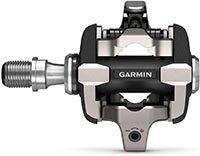
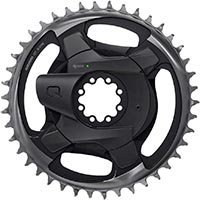
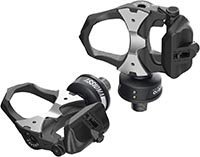
Joe Friel, elite cycling coach and author of The Cyclist’s Training Bible, calls the power meter the most effective tool for increasing speed on the bike.


Related Post: Review of Joe Friel’s Cyclist’s Training Bible
Reason #1 to Use a Power Meter: Precision Training so You Can Eliminate the Guess Work
One way to get fitter on a bike is to just go outside and ride a lot. Yes, that does work. But the problem is that if you are both time-crunched and keen to improve, the random approach is not efficient. It is definitely not the quickest way to improve your speed, power, and fitness.
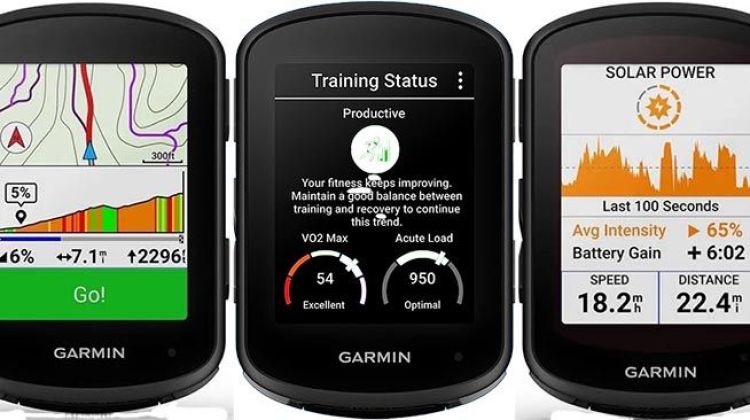
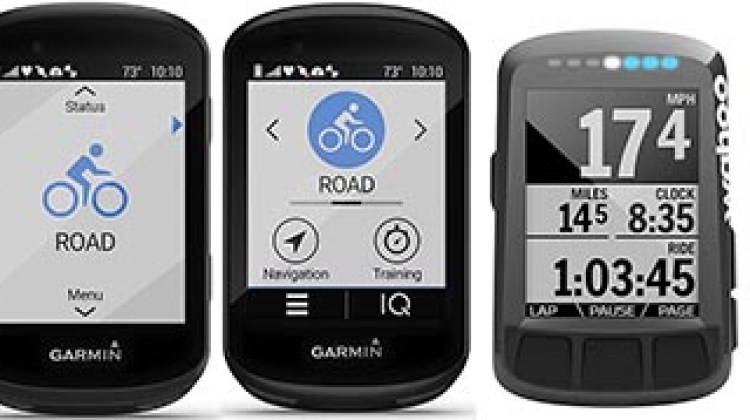
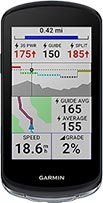
Power meters offer precise, real-time data on the amount of power you’re generating while cycling. Unlike heart rate monitors, which can be influenced by factors like hydration, fatigue, and stress, power meters provide an objective measure of your effort. This allows you to accurately gauge your training intensity and tailor your workouts to specific power zones. This will ensure that you’re training at the right intensity to cause physiological adaptations and improve performance.
Related Post: What Is the Optimal Frequency of HIIT Training on a Bike to Increase VO₂ Max?
Reason #2: A Power Meter Will Help You to Monitor Progress and Set Goals
With a power meter, you can track your progress over time and set meaningful performance goals. By analyzing your power data from training sessions and races, you can identify areas for improvement, track changes in fitness, and set realistic targets for future performance.
Whether you’re aiming to increase your FTP (Functional Threshold Power), improve your sprint power, or conquer a challenging climb, a power meter provides the objective feedback you need to measure your progress and stay motivated.
Related Post: Complete Guide to Using Power Zones for Cycling Training
Reason #3 to Use a Power Meter: Optimize Pacing and Race Strategy
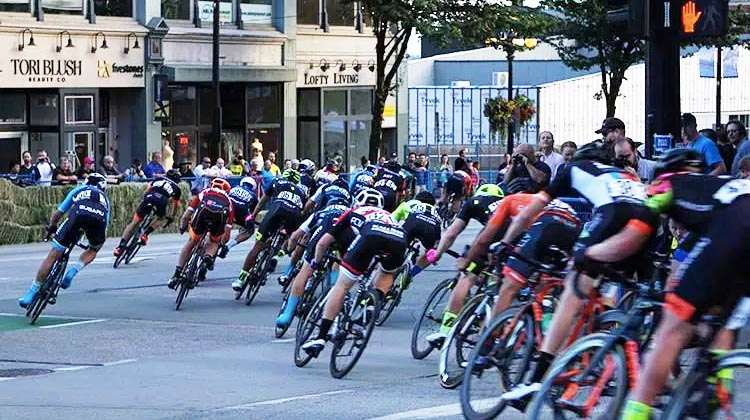
In racing situations, power meters are invaluable tools for optimizing pacing and race strategy. By knowing your power output at various intensities, you can pace yourself more effectively during time trials, breakaways, or climbs, maximizing your performance while avoiding premature fatigue.
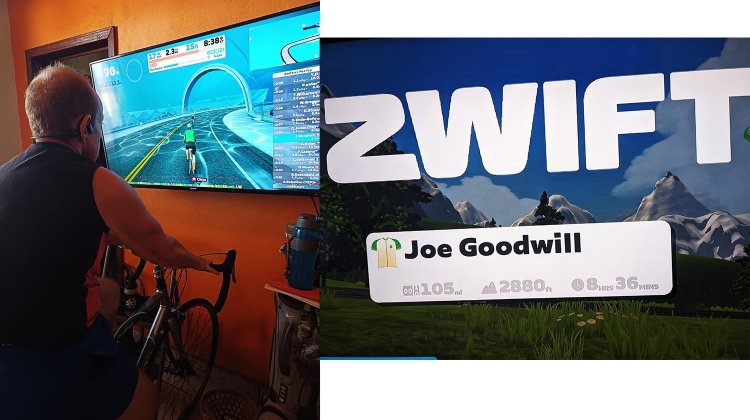
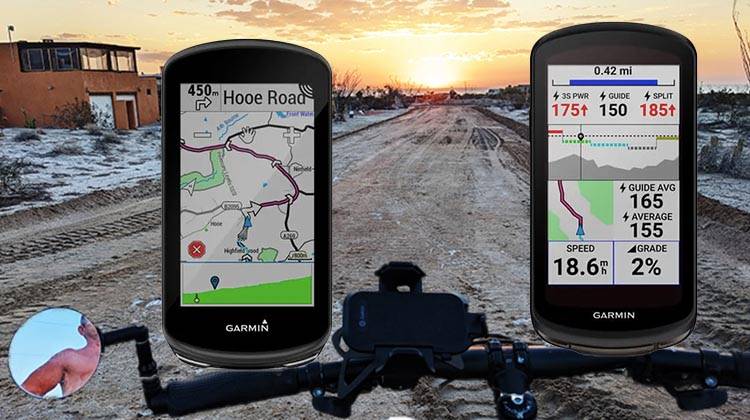
Also, power meters allow you to execute race tactics with precision, whether it’s maintaining a steady effort in a breakaway or launching a decisive attack at the right moment. This is relevant whether you are cycling outdoors, or participating in my new passion: Zwift! Most people who do bike races on Zwift rely heavily on power meters to pace their ride and improve their chances of success.
The enhanced ability to pace yourself by using a power meter provides such an advantage that it has been referred to as legal cheating!
Related Post: Can Average Cyclists Do Zwift Workouts?
Reason 4: A Power Meter Will Help You to Identify Your Strengths and Weaknesses
Power meters provide detailed insights into your strengths and weaknesses as a cyclist. By analyzing your power profile, you can identify areas where you excel, such as sustained power output or short, explosive efforts, as well as areas that may need improvement.
This knowledge allows you to tailor your training program to address specific weaknesses and become a more well-rounded cyclist.
 | |  |
Reason 5: Prevent Overtraining and Avoid Burnout
One of the most valuable benefits of using a power meter is its ability to help you monitor training load and prevent overtraining. You can tracking metrics like these:
- Training Stress Score (TSS)
- Acute Training Load (ATL)
- Chronic Training Load (CTL)
- Training Stress Balance (TSB)
- Efficiency Factor (EF).
By tracking metrics like these, you can ensure that your training volume and intensity are properly periodized to avoid burnout and optimize recovery.
This is especially important for competitive cyclists who often walk the fine line between pushing their limits and risking injury or fatigue. And to be honest, I think it is also relevant to average cyclists like me. I push my limits simply because cycling is so much fun that I think a psychologist would diagnose me as addicted!
Reason 6 to Use a Power Meter: It Gives You a Baseline to Build From
Basically, you can use your power meter to do a test on your bike to ascertain your functional threshold power (FTP). FTP is the average number of watts that you can sustain for an hour. It acts as a current measure of fitness, giving you a baseline to build up from. This post explains the various kinds of FTP tests you can do with a power meter.
Based on that, you can build your own personal structured training plan, with a foundation of power-based training zones. Or you can get an app such as Zwift to do it for you.
A training program based on your own personal FTP is the kind of cycling training plan that yields maximum return from your training investment.
Reason 7 to Use a Power Meter on Your Bike: Motivation
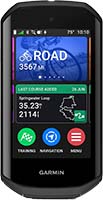
A power meter on your bike is extremely likely to motivate you because it gives you accurate assessments of your performance. That means that as you make progress, you can see it with your own eyes, reflected in the numbers.
One of the most motivating things in the world is to see how your efforts are paying dividends in the form of real progress in speed, fitness, and power on your bike.


Bottom Line on Why Cyclists Should Use Power Meters
In conclusion, power meters are indispensable tools for cyclists of all levels who are serious about improving their performance and achieving their goals. With the ability to provide precise, objective data on power output, power meters empower cyclists to train smarter, race more strategically, and unlock their full potential on the bike. Whether you’re a seasoned racer or a recreational cyclist looking to take your cycling to the next level, investing in a power meter is a decision you will not regret.
References Used in this Post
- Hunter, Allen, and Andrew Coggan. “Training and Racing with a Power Meter.” VeloPress, 2019.
- Lucia, Alejandro, and Fabio Pigozzi. “Cycling Science.” Human Kinetics, 2017.
- Martin, Hunter Allen, and Andrew Coggan. “Racing and Training with a Power Meter.” VeloPress, 2010.
Check Out Our Most Popular Posts! | ||
| ||
Did you enjoy this post or find it helpful? If so, please support our blog! We write this blog because we love cycling. But we also need to earn a living, so we would appreciate it very much if you click through to one of our reputable affiliates for your online shopping. We are proudly affiliated with Amazon, which sells pretty much everything, and has outstanding shipping and return policies. When you buy from our affiliates we make a small commission, and this is the only way we earn any income. Plus, it costs you nothing at all - a real win/win situation! We here at Average Joe Cyclist do not receive any information AT ALL about who you are, where you live, or what your dog's name is. Buying through our Amazon links is simply an anonymous way to thank us for our efforts, like tossing a few coins in a tip jar. Except that it is Amazon who tosses the coins, not you! | ||