.Whether you’re cruising your neighborhood, commuting to work, or racking up weekend miles, there’s one cycling trick that can quietly transform your ride: changing up your cadence.
If you’re scratching your head wondering what that even means—don’t worry. Let’s break it down and explore why switching gears (literally and figuratively) with your cadence can lead to smoother, stronger, and more enjoyable rides.
First Things First: What Is Cadence?
Cadence is just a fancy word for how fast your legs are spinning—measured in revolutions per minute (RPM). If you’re pedaling leisurely at a steady pace, your cadence might be 60–70 RPM. If you’re spinning like a blender on high, that’s closer to 90–100 RPM.
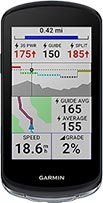
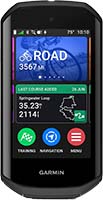
You do need specialized tech to accurately measure RPM. For example, you can pair a cadence meter with your Garmin Edge bike computer. And all smart trainers have this tech built in. But even without tech, you can get a feel for your cadence by counting how many times one foot completes a full pedal turn in 15 seconds and multiplying by four.
 | |  |
People tend to have a natural cadence that they gravitate to. My own default is pretty slow, around 65 RPM. That is not really a good thing, and might be one reason I have had many cycling knee pain problems over the years. I have been working on improving my speed and versatility. In this post I share some really useful things I have learned, which I hope will be useful for you.

 Varying your cadence will help you to avoid cycling knee pain
Why Should I Change My Cadence?
Reason 1: Avoid Muscle Burnout
If you always pedal at a slow cadence (say 60–70 RPM), you’re relying more on muscle strength. That can be tough on your quads and knees, especially on hills or long rides. Upping your cadence (80–90+ RPM) shifts some of that work to your cardiovascular system, giving your muscles a break and spreading the load.
Reason 2: Save Energy Over Time
High cadence can feel weird at first, and it can definitely make you out of breath. But once you adapt, it’s often more efficient. Pro cyclists ride at 90–100 RPM for a reason—it helps them ride longer with less fatigue. You don’t need to hit pro numbers, but learning to spin rather than mash the pedals can pay off big time.

 Pro cyclists ride at 90–100 RPM for a reason—it helps them ride longer with less fatigue
Reason 3: Handle Hills Like a Pro
Ever feel like your legs are made of stone halfway up a climb? That’s likely a low cadence at work. Shifting into an easier gear and keeping your legs spinning can help you climb smoother and recover faster once you’re over the top.
Reason 4: Reduce Injury Risk
Mixing up your cadence helps avoid overusing the same muscles and joints. If you’re someone who’s had knee pain or IT band issues, experimenting with cadence can help you find a rhythm that’s easier on your body.
Related Post: How to Prevent and Treat Iliotibial Band Syndrome (ITBS)
How to Vary Your Cadence (Without Going Crazy)
You don’t need a training plan or a power meter to benefit. Just start noticing and experimenting.
Try This:
- Warm up at a comfy pace, then spend a few minutes spinning faster than usual (80–90 RPM). Shift into an easier gear so your effort doesn’t spike.
- On climbs, downshift sooner and aim for a cadence above 70 RPM, rather than grinding at 50–60.
- On flat roads, alternate 2–3 minutes of fast spinning (90–100 RPM) with 2–3 minutes of slower pedaling (70–80 RPM). Feel the difference.
- If you have the required tech, track your average cadence and try to increase it gently over time—just 5 RPM makes a difference. Like most things with cycling, slow but steady improvement makes a huge difference.
What’s the Best Cadence?
There’s no one-size-fits-all answer. Most recreational cyclists ride comfortably at 70–85 RPM. The goal is to expand your range so you’re comfortable adjusting depending on the terrain, your energy level, and the ride.
A great rule of thumb?
“Spin when you can, push when you have to.”
It is also possible to expand your range by doing workouts that push your limits. I find I have a strong tendency to push rather than spin. So I have been finding it useful to do Zwift workouts that basically tell you the watts and RPM you need to be hitting. I find that I get a bit more out of breath with a higher cadence, but obviously there is a lot of value in being able to use different cadences.
If you have access to workouts from an app such as TrainerRoad, Zwift or Rouvy, try finding workouts that are designed to expand the range of your cadence. Or, just try the workout below!
Beginner Cadence Workout
Here’s a simple, low-stress cadence workout you can do indoors or outside on a quiet flat road or trail:
Total Time: ~40 minutes
Warm-Up (10 min)
- 5 min easy pace at your natural cadence (no pressure)
- 5 min gradually increasing cadence (shift down 1–2 gears, spin faster without adding effort)
Main Set (24 min)
Do 3 rounds of the following 8-minute block:
- 2 min at 75 RPM (moderate effort)
- 2 min at 85 RPM (easier gear, slightly faster legs)
- 2 min at 90–95 RPM (light gear, fast but relaxed)
- 2 min at your natural cadence to recover
Cool Down (6 min)
- Spin easy at 70–80 RPM
- Finish feeling refreshed, not exhausted!
Tip: Keep your upper body quiet, core engaged, and breathing steady. Let your legs do the work.
TL;DR
- Cadence = how fast you’re pedaling (RPM).
- Varying your cadence builds endurance, protects your knees, and helps you climb better.
- Mix in some high-cadence practice (80–90 RPM) for smoother, stronger rides.
- Try the beginner cadence workout to get a feel for your sweet spot.
- Explore further with apps that offer a variety of workouts.
Got a favorite cadence trick or a local hill that challenges your rhythm? Drop a comment and share it! And if you’re new to using tech like to track your cadence, I’ve got beginner guides coming up soon—stay tuned!
Happy spinning!
 |  |
 |  |
 | |

Leave a Reply