
In this guest post, Brad Done outlines 9 simple steps that will help ensure your bike is not stolen while you are at work, so it is waiting for you when you are ready to cycle home. These 9 steps will protect your bike while you get on with your job.
You’ve done your homework. You know the brands. You can tell the difference between a mountain bike and a road bike from 50 yards. You agonized over the details, rode around more bike shop parking lots than you can remember, and quizzed family and friends over your color choice. Finally, you selected the perfect bike and all its matching gear.
The exhilaration of your first ride as a commuter still pounding in your heart, you arrive at work twenty minutes early. As you approach the building you suddenly realize: “I have to leave my bike outside all day long…”


A million worries run through your mind: Will it be safe? Will someone knock it over? Will it be there when I return? Taking your bike to your desk is likely not an option, but don’t let this discourage you from taking your bike to work. There are steps you can take to help ensure that your bike will be there when it’s time to head home.
Here are a few tips from the experts…
Step 1: Find a Secure Spot to Lock Your Bike
If your employer does not have a secure place to leave your bike while you are at work, politely ask about the possibility of installing a bike storage infrastructure. There are a host of economic benefits, and creating a bike-friendly business place will go a long way to promote a company’s brand image.
 |  |
 |  |
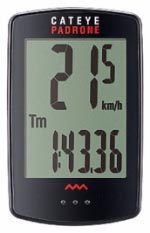 About $55. Please click here for current best price on Amazon. |  |
 | |


Related Post: Top 7 Bike Locks – and How to Choose the Right Bike Lock
Step 2: Always Lock Your Bike!
This might sound obvious, but thieves strike quickly and at any time. Even if you only stop at a convenience store for a quick bottle of water, lock up your bike. It only takes a moment for a potential bike thief to notice your unattended ride.
Step 3: Avoid Open-topped Posts
You’d be surprised at what a thief will go through and how high they may be able to lift your bike. An open topped post, like a parking meter or traffic sign, does not provide adequate bike security.
Step 4: Lock Your Wheels
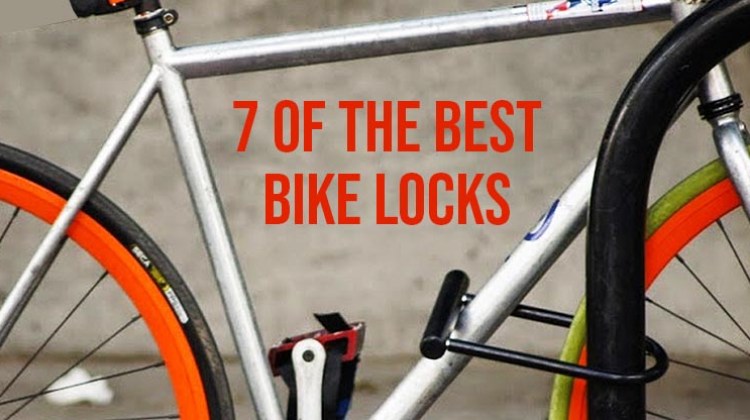
If you use a U-lock, pass it through your rear wheel rim, inside the bike’s rear triangle, and then around a secure, closed post. If the U-lock is secured inside the frame, the bike cannot be stolen by removing the rear wheel. If you have a quick remove front wheel, a separate chain or cable should be used to tie the front wheel to the U-lock as well.
Step 5: Use a Small U-lock
When it comes to U-locks, smaller is better. Thieves often carry crowbars to pry them open and a smaller lock is harder to pry open than a large one.
Step 6: Use an Additional Lock if You Can
Two locks are better than one. Two separate locking mechanisms are harder to defeat, and chances are a thief will avoid taking the extra time to try and beat both locks.
 | |  |


Step 7: Give your Bike an Identity and Record It
Give the police something to work with in the event your bike is stolen. Register it with the National Bike Registry and put your name and telephone number on the inside rim of your bike, where it is likely to be seen if the thief tries to take it to a shop for resale.
Step 8: Have a Back-up Lock
Store an extra lock in your desk at work, in the event you forget your lock(s).
Step 9: Protect ALL Your Equipment
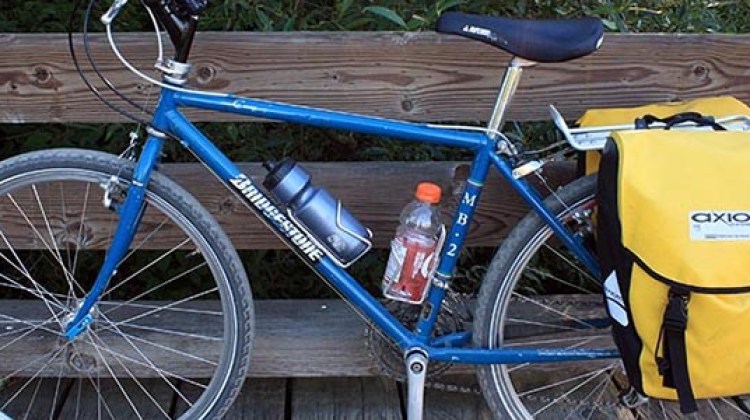
Anything that is not locked can be stolen. Don’t leave removable, loose gear on your bike. Unless you’re storing your bike in a fully-enclosed bike locker, take your pumps, helmet, water bottle, and pannier bags with you.


Remember that no security system is 100% safe, and there is always a certain amount of risk when you leave your bike unattended. However, following these steps will reduce the likelihood of your bike falling victim to thieves. Protect your bicycle and ensure you continue to enjoy all the benefits of a cost-effective, healthy and environmentally-conscious commute.
 Author Bio:
Today’s guest author Brad Done is the vice president at Reliance Foundry Co Ltd. He has more than 25 years of experience in manufacturing commercial bike parking and other outdoor metal products.
Check Out Our Most Popular Posts! | ||
| ||
Did you enjoy this post or find it helpful? If so, please support our blog! We write this blog because we love cycling. But we also need to earn a living, so we would appreciate it very much if you click through to one of our reputable affiliates for your online shopping. We are proudly affiliated with Amazon, which sells pretty much everything, and has outstanding shipping and return policies. When you buy from our affiliates we make a small commission, and this is the only way we earn any income. Plus, it costs you nothing at all - a real win/win situation! We here at Average Joe Cyclist do not receive any information AT ALL about who you are, where you live, or what your dog's name is. Buying through our Amazon links is simply an anonymous way to thank us for our efforts, like tossing a few coins in a tip jar. Except that it is Amazon who tosses the coins, not you! | ||


Save
Save
