This post describes an ideal regimen of 7 supplements for cyclists, based on scientific research. Do you want to be the fastest and healthiest cyclist you can be? If so, you know you need all the support you can get. Because cycling is a demanding sport that requires high levels of endurance, strength, and recovery.
Supplements can play a significant role in enhancing performance, supporting recovery, and maintaining overall health for cyclists. This post reviews the ideal supplement regimen for cyclists, drawing from reputable scientific sources to identify 7 crucial supplements.
Introduction
Cyclists require a well-rounded diet to meet their energy demands on long rides, and support their recovery afterward. However, if you are training harder than the average cyclist, you may need to supplement with certain nutrients to ensure optimal performance and health. This post identifies key supplements that may help you, and provides evidence-based recommendations.

 If you are planning on doing long bike rides, you may need to supplement with certain nutrients to ensure optimal performance and health
Supplement # 1: Carbohydrate Supplements
Importance: Provide quick energy during long rides and races. Prevents you from bonking. Bonking is when your muscles completely run out of fuel, with profound effects on performance and well-being. It is a horrible experience. It can be dangerous, partly because of possible mental confusion, and it can derail your training and future performance. The point is, don’t let it happen to you.
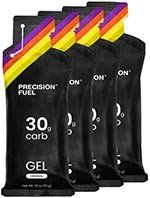
Sources: Sports drinks, gels, and bars. Gels and bars can be carried in your jersey pockets, handy for consuming as you ride. Precision Fuel 30 Gel is very highly rated by BikeRadar for being compact, easy to carry and eat, and for having a neutral taste. And it tells you up front exactly how many carbs you are getting – 30 grams. They also sell 30 gram chews, for those who prefer their fuel to be more solid.


Research: A study in the Journal of Applied Physiology found that carbohydrate supplementation during exercise improves performance and delays fatigue.
 |  |
 |  |
 | |
Supplement # 2: Protein Supplements
Importance: Aids in repairing your muscle and promoting recovery. And yes, cyclists need muscles too! Those pedals are not going to spin themselves, after all.
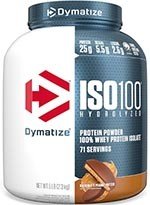
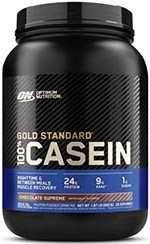
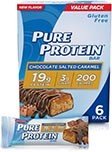
Sources: Whey protein, casein, or plant-based proteins. The one below is the one I personally use, twice a day. First thing in the morning and last thing at night. Whey protein isolate is the purest form of whey protein. This one mixes very easily, and all of the flavors I have tried have been good. (I have only tried the ones that have the vitally important word “chocolate” somewhere in the label.) If you have time, you can make a delicious smoothie by blending a shot of this protein powder with some water and some frozen strawberries. That will provide both protein and carbs for the ride. I also love this combo as an evening snack.


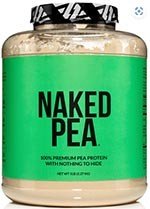
If you prefer plant-based protein, I also really enjoy the product below, which is a vegan product. I am moving towards being plant-based, and the existence of protein powders like this one is very helpful. It is absolutely pure pea protein, with no additives at all.


This product tastes like bland nothing. I usually add something to it, to give it flavor. Such as cocoa. Which then makes it chocolate flavor, which is a big win, as I happen to love chocolate. Also, did you know that longevity researcher Bryan Johnson prioritizes cocoa (along with extra virgin olive oil, leafy greens, cruciferous vegetables, berries, avocados, and nuts)? The man is unusual, but he has certainly done his research (and continues to do it, every day).
I am too active (and too old) to stint on protein. Most experts agree that protein is essential for athletes, to avoid catabolism (breaking down of muscle). Also, as we get older, our bodies become less efficient at processing food protein sources. Therefore, as we age we may actually need more protein than younger people.
Research: The International Journal of Sport Nutrition and Exercise Metabolism reports that protein intake post-exercise enhances muscle protein synthesis and recovery.
Related Post: 5 Best Protein Supplements for Exercise Recovery and Health
|  | 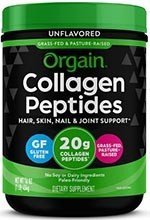 Orgain Collagen Peptides. Almost no taste; this is the one we use. Best Price Right Now on Amazon: | 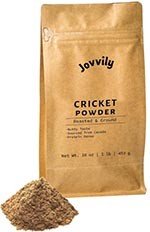 Jovilly Cricket Protein Powder. Pure ground crickets, made in Utah. 2 tablespoons = 11 grams of protein. Best Price Right Now on Amazon: | |
Supplement for Cyclists # 3: Electrolytes
Importance: Prevent dehydration and maintain your muscle function. These will go a long way towards preventing the dreaded bonk. And especially during summer cycling, they will help protect you from heat exhaustion (which I have had several times, so I know it can range from unpleasant to dangerous).
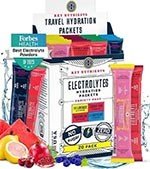
Sources: Electrolyte tablets, sports drinks. The ones below are my favorite, and have no sugar. They come in a range of flavors, but I honestly can’t taste the difference. To me they all taste the same – mildly sweet and easy to drink. Better than plain water, basically.


Research: According to the American Journal of Clinical Nutrition, electrolyte supplementation helps maintain fluid balance and muscle function during prolonged exercise.
#4 Supplement for Cyclists: Omega-3 Fatty Acids
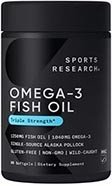
Importance: Reduce inflammation and support your cardiovascular health. And it’s also good for your brain health. I take this every day (unless it is a day when I eat salmon). In my experience, the burpless formulations are best (especially if you want to stay married). This fish oil formulation from Sports Research is very good. They are soft gels. Remember to keep the container in the fridge after you break the seal, otherwise the fish oil can deteriorate.
Sources: Fish oil, algae oil.


Research: Medicine & Science in Sports & Exercise indicates that omega-3 supplementation can reduce exercise-induced muscle damage and inflammation.
|  |
| |
 | |
Supplement #5 for Cyclists: Iron
Importance: Supports oxygen transport because iron is a crucial component of hemoglobin, which carries oxygen from the lungs to the muscles. Adequate iron levels enhance oxygen delivery and improve aerobic capacity. Iron can also improve your endurance, because improved oxygen transport leads to better stamina and endurance, which are obviously essential for long-distance cycling. Also, iron plays a vital role in the production of ATP (adenosine triphosphate), the primary energy carrier in cells, which is crucial during intense cycling. Moreover, adequate iron levels support a healthy immune system, which will help you to recover from intense training and resist infections. And of course, if you don’t get sick, you won’t have to take time off training. Supplementing with iron can reduce the risk of iron-deficiency-related fatigue, ensuring cyclists maintain their energy levels throughout training and competition. This is especially important for women cyclists. Finally, here is one most people don’t consider, but it is very important: iron is essential for maintaining cognitive function and concentration, which can benefit your strategic planning and decision-making during races.
Sources: Iron supplements (ferrous sulfate, ferrous gluconate). Longevity expert Bryan Johnson recommends Proferrin 10.5 mg as an iron supplement to maintain healthy iron levels and support oxygen transport in the body.


Research: Sports Medicine Journal emphasizes the importance of iron for endurance athletes, particularly women, in preventing iron-deficiency anemia.
Supplement #6: Vitamin D
Importance: Supports bone health and immune function. Immune function is important for cyclists, because a strong immune system reduces the risk of infections and illnesses that could disrupt training schedules. Also, adequate levels of Vitamin D are essential for muscle function and strength, both of which we obviously need for optimal cycling. Vitamin D also has anti-inflammatory properties that can help reduce exercise-induced inflammation, promoting faster recovery and less muscle soreness. And importantly, vitamin D is linked to improved cardiovascular health, which is crucial for endurance and overall performance in cycling.
Sources: Vitamin D3 supplements. A few experts recommend 5000 IU per day, but most experts agree this is too extreme. Bryan Johnson recommends a mid-level dose of about 2000 IU per day, which I think is a good compromise. You can also get it from the sun while cycling, but to get adequate amounts you would need to be cycling shirtless in the middle of the day, which is not ideal for most of us, and especially not for women.
Vitamin D3 is a cheap vitamin, but worth its weight in gold (or sunshine). This is the one I personally use.


Research: The Journal of Sports Sciences suggests that adequate vitamin D levels are crucial for bone health and may reduce the risk of stress fractures in athletes.
#7 Supplement #for Cyclists: Caffeine
Importance: Enhances endurance and reduces perceived effort.
Sources: Caffeine tablets, energy drinks. When you take these, bear in mind that an average 8 oz cup of coffee contains about 80 to 100 mg of caffeine.
Research: The European Journal of Sport Science finds that caffeine supplementation can improve endurance performance and reduce perceived exertion.
Bottom Line on Supplements for Cyclists
Cyclists aiming to up their game should consider integrating these supplements into their regimen to support performance and overall health. Carbohydrates and electrolytes are essential during rides for sustained energy and hydration. Protein supports recovery, while omega-3 fatty acids help reduce inflammation. Iron and vitamin D are crucial for preventing deficiencies that can impair performance. Lastly, caffeine can provide a significant boost in endurance cycling events.
An optimal supplement regimen tailored for cyclists includes carbohydrates, protein, electrolytes, omega-3 fatty acids, iron, vitamin D, and caffeine. These supplements, whose usefulness is supported by scientific research, can enhance your performance, support your recovery, and help you to maintain your overall health. Of course, you should tailor your supplementation based on your individual needs.
As with all supplements you are advised to consult with healthcare professionals to optimize your regimen and ensure that none of your supplements will interact with any medications you may be taking.
| |
| |
| |
References Used in this Post
- Journal of Applied Physiology: Carbohydrate supplementation during exercise improves performance and delays fatigue.
- International Journal of Sport Nutrition and Exercise Metabolism: Protein intake post-exercise enhances muscle protein synthesis and recovery.
- American Journal of Clinical Nutrition: Electrolyte supplementation helps maintain fluid balance and muscle function during prolonged exercise.
- Medicine & Science in Sports & Exercise: Omega-3 supplementation reduces exercise-induced muscle damage and inflammation.
- Sports Medicine: Importance of iron for endurance athletes, particularly in preventing iron-deficiency anemia.
- The Journal of Sports Sciences: Adequate vitamin D levels are crucial for bone health and may reduce the risk of stress fractures in athletes.
- European Journal of Sport Science: Caffeine supplementation improves endurance performance and reduces perceived exertion
Related Post: How Protein Helps Your Post-Ride Recovery
Check Out Our Most Popular Posts! | ||
| ||
Did you enjoy this post or find it helpful? If so, please support our blog! We write this blog because we love cycling. But we also need to earn a living, so we would appreciate it very much if you click through to one of our reputable affiliates for your online shopping. We are proudly affiliated with Amazon, which sells pretty much everything, and has outstanding shipping and return policies. When you buy from our affiliates we make a small commission, and this is the only way we earn any income. Plus, it costs you nothing at all - a real win/win situation! We here at Average Joe Cyclist do not receive any information AT ALL about who you are, where you live, or what your dog's name is. Buying through our Amazon links is simply an anonymous way to thank us for our efforts, like tossing a few coins in a tip jar. Except that it is Amazon who tosses the coins, not you! | ||