Amid the increasing popularity of electric bikes and other electric forms of transportation, you may be debating if it is worth switching from your pedal-powered bike. Electric bikes are a costly investment, and any type of bike will have its pros and cons. Below we have compared traditional, pedal-powered bicycles to e-bikes, so that you can determine which is the right ride for you.
Electric Bicycles
Pros of E-bikes
Easier to Use and Ride
As technology has progressed, the range that electric bikes are able to go has increased. If you travel without the use of electric pedal assist, this will increase even more and allow you to cover much more ground. Even though they have a speed limit, electric bikes are much faster and can potentially reach 28 miles per hour.
In comparison, the average cyclist using a pedal bike will only reach half of this. An electric bike will also still be usable when the battery has run out, as it will function like a traditional bike, but will still have made your journey faster and less tiring.
The electric assist function of e-bikes will make it much easier to ride up hills or steep inclines, and reduce the strain of pedaling against headwinds.
Less Sweaty Commute
Many people do not like to commute to work by bicycle, as it means that they may have to remain in sweaty clothes for the remainder of their working day, and many offices do not have showers or changing facilities readily available.
When you ride an electric bike, your heart rate will be lower if the motor is doing most of the work for you, which means that you will sweat much less and feel much cleaner at work.
 |  |
 |  |
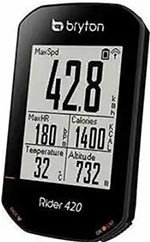
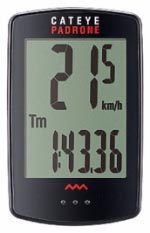 About $55. Please click here for current best price on Amazon. | 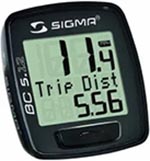 |
 | |
Fitness and Abilities
A positive of electric bikes is that they enable people of all different cycling abilities to ride together. For example, if you are cycling with someone who is not a confident rider or would have to strain themselves to keep up, they will be able to use electric assist so that everyone can ride together without needing to compromise on speed.
Similarly, electric bikes can be ideal for the elderly or disabled. The electric assist feature will help people who are unable to pedal a traditional bike to still ride, as they will help with tougher parts of riding (e.g. going up hills) and reduce strain that can cause pain.
Cons of E-bikes
More Expensive to Buy and Maintain
As the majority of users will ride their electric bikes much further and at higher speeds than users of traditional bikes, there is often a need for more regular maintenance. Parts may wear out faster, and tires, chains and brake pads will need to be replaced frequently.
Furthermore, many electric bikes use proprietary parts, which means that they are specific to the model of the bicycle. This makes replacement parts much harder to find, as they will need to be bought directly from the manufacturer or a dealership. As a result, they are more expensive than standard parts as you are limited with choice, and electric bikes require stronger components than standard bikes. In a worst case scenario, they could potentially become impossible to find if a manufacturer were to go out of business.
It may also be a challenge to find a store that has the right tools and expertise that is needed to service and repair electric bikes, especially if the parts are not easily obtainable or ownership is uncommon in the area.
Heavy
Electric bikes usually weigh between 18 and 32 kilograms, which is much heavier than regular bikes that are normally between 11 and 16 kilograms. The added weight comes from the motor and battery, which usually would not affect you too much. However, if the battery was to die, you would feel the effects of this extra weight when pedaling, especially if going uphill.

 Electric bikes usually weigh between 18 and 32 kilograms
Storage could be more of a challenge due to the weight of the bike, as if you live in an apartment building, you are unlikely to want to carry the bike up several flights of stairs regularly.
 | |  |
More likely to be stolen
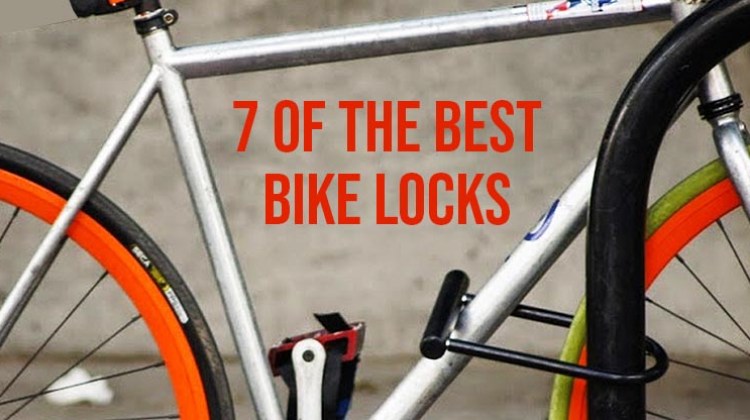
Electric bikes are currently very highly sought after, so there is potentially a greater risk of them being stolen if they are left on the street, and not securely stored. The batteries and motors are hard to hide, and are worth a lot of money.
It is possible to remove the battery to take with you if you are worried about this being stolen, but thieves will still be able to see the hub motor on the wheel of your bike.
Batteries
Most batteries used to power electric bikes take a few hours to charge, which can feel like a long time to wait if you are wanting to use the bike to go somewhere. Some bikes do have quick charging options and although this is convenient, this can be damaging to the battery.
If your bike’s battery doesn’t have enough range to last for a round trip, you will need to be able to access somewhere with electricity to recharge it. Unfortunately, many workplaces and businesses do not offer on-site charging facilities, which is not ideal if you use an e-bike for commuting. On the other hand, most e-bike batteries can be charged from a regular power point, so you may be able to charge up in your office.
Electric bicycle batteries can be extremely expensive to replace. The lithium-ion batteries used with e-bikes will normally last for roughly 800 to 1000 charging cycles, if they are treated carefully. If you are someone who uses an e-bike every day, you are likely to get a few years out of this, but it is something that you should take into consideration when shopping for an electric bike.

 Electric bicycle batteries can be extremely expensive to replace
Moreover, if you travel frequently by plane, the battery will pose issues. Many airlines will not allow you to fly with an electric bike, and have many restrictions around the batteries they use. You will generally not be permitted to fly with a battery that has a capacity higher than 100 wh, and most e-bike batteries are 300 to 600 wh.
Weather
Electric bicycles are commonly water-resistant, but they are not waterproof. You can ride an e-bike in light rain, but you should not do so in heavy rain, and you should try to avoid any puddles or streams. As a general rule, you should not ride through water that is deep enough to submerge the battery or any other electrical components.
You should also avoid hosing off your bike, as if water gets into the motor or battery, it can lead to short circuits or corrosion.
Laws and Regulations
One of the difficulties of e-bikes is all of the laws and regulations surrounding their use. In the UK, you are only permitted to ride an e-bike if you are over fourteen years old, and the bike must have a maximum power output of 250 watts. The UK also requires that any pedal assist feature must be cut off when the bike’s speed reaches 15.5 miles per hour.
Any bike with a ‘twist and go’ throttle (where it does not need the pedals to turn to engage the motor) is classified as a motor vehicle under the Road Traffic Act, and therefore will need to be registered with the DVLA, pay insurance and vehicle tax.
In the USA, the regulations around electric bikes vary between states, but the federal speed limit for them is 20 miles per hour or less under motor power alone. 25 states require riders to wear helmets when driving an e-bike. Alabama requires motorcycle helmets as e-bikes are considered as motor-driven cycles. In any state where an e-bike is classed as a moped or scooter, they will need to be licensed and registered, which may come with its own requirements.
If you are in Canada, e-bikes do not require a license, plates or insurance to own or operate. However, under federal law each province can make changes around age requirements and areas where power assisted bikes are permitted to ride.
Traditional Bicycles
Pros of Traditional Bikes
Cheaper form of transportation
Traditional bicycles are a cheap form of transportation, especially when compared to cars. You will not need to worry about paying for fuel or parking, and there is no license required to ride. In comparison to electric bikes, replacement parts for traditional bikes are much cheaper and easier to obtain, making repairs and maintenance less of a hassle. They do not require any charging, so they will not cost you anything additional in your electricity bill.
Environmentally friendly
Standard bicycles do not use any type of fuel and as a result produce zero emissions, making them an environmentally friendly method of transportation for individuals worried about their carbon footprint. Although electric bikes are also much more eco-friendly than cars or buses, they still need to be charged regularly.
It can be hard to determine if the electricity used for charging is generated sustainably, with the materials used to manufacture their lithium-ion batteries having a negative impact on the environment and sometimes obtained through child labor.
Cons of Regular Bikes
More tiring
Traditional bikes can only be powered through pedaling, as they do not have any assistive features. This can be tiring and not ideal for those commuting, as it means they will arrive at work sweaty and exhausted.
Not suitable for long distances
Pedal powered cycling is an exhausting exercise, and this can limit how far riders are able to go. This means that long-distance journeys are not doable with a traditional bike. The average cyclist will not be able to reach similar speeds to an electric bike, and will also likely need to stop for regular breaks to recover.
 |  |
 |  |
 | |
Bottom Line
Overall, an electric bike will be a worthwhile investment if you are someone who cycles often and has access to somewhere to charge it. Even though the costs of repairs and replacement parts may seem daunting, the benefits you will receive will likely outweigh the cost. They are also a better option for individuals who struggle with pedaling, as it means they will be able to participate in riding without feeling left out or having to compromise.
Traditional bikes are still a good option for those who are on a budget, but may not be the best for anyone regularly cycling long distances.
Before buying, try to evaluate your options and predict how each one will work in the long term. It will also be beneficial to visit your local bicycle showroom to receive expert advice and test out which bike is the best fit for your needs.
Related Post: How to Choose the Right Type of Bike – Beginner’s Guide
Check Out Our Most Popular Posts! | ||
| ||
Did you enjoy this post or find it helpful? If so, please support our blog! We write this blog because we love cycling. But we also need to earn a living, so we would appreciate it very much if you click through to one of our reputable affiliates for your online shopping. We are proudly affiliated with Amazon, which sells pretty much everything, and has outstanding shipping and return policies. When you buy from our affiliates we make a small commission, and this is the only way we earn any income. Plus, it costs you nothing at all - a real win/win situation! We here at Average Joe Cyclist do not receive any information AT ALL about who you are, where you live, or what your dog's name is. Buying through our Amazon links is simply an anonymous way to thank us for our efforts, like tossing a few coins in a tip jar. Except that it is Amazon who tosses the coins, not you! | ||