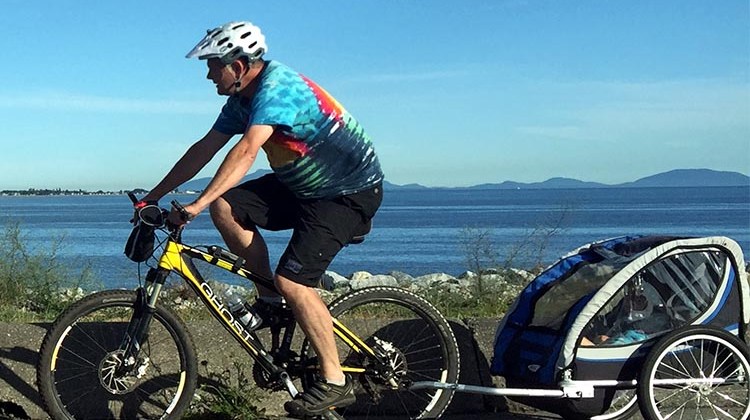
There are many reasons why cities and towns should invest in cycling infrastructure. From economic advantages to creating healthier citizens, the benefits cannot be ignored. The good news is that many more cities are installing infrastructure to encourage cycling for everyday transportation. The following are some of the best reasons why the investments in cycling infrastructure will pay off.
Economic Impacts
Bicycling is big business. In fact, according to a report from the Outdoor Industry Foundation, bicycling adds nearly $133 billion to the U.S. economy on an annual basis. Studies also show that the bicycle industry creates jobs in the tourism industry.
Benefits for Cities
Cities that encourage cycling may also see an improvement in the local economy. Cycling can bring in new businesses such as bike retail stores, rental shops, and more, giving communities a needed boost. Existing businesses have also seen an increase in revenues when bike lanes are installed on their streets.
Many studies from cities in the US, Canada, UK and Australia have found that people on bikes tend to shop more frequently and often spend more money at local businesses than people traveling by car.
For example, the City of Vancouver in Canada has invested heavily in cycling infrastructure over the last twenty years. Some local business people were initially opposed, but changed their minds as they saw improvements in business. Charles Gauthier, President and CEO of the Downtown Vancouver Business Improvement Association (DVBIA), said:
“More people than ever before are walking or cycling to stores, restaurants and cafes, and that’s helping move people more efficiently through the city, creating a vibrant local economy, as well as attracting talent and innovation.”
 |  |
 |  |
 About $55. Please click here for current best price on Amazon. |  |
 | |

 Vancouver has put in so much cycling infrastructure that small children can cycle safely
Fuel Costs
Residents can save significant money on fuel costs when they adapt biking for their daily commute. According to a 2006 study in Minneapolis there was an increase in median home value in areas close to bike paths. Cities with a strong bike culture and infrastructure can also be a big draw for younger workers, helping companies attract talent to areas with accessible bicycle commutes.
Environmental Impacts
The reduction of carbon emissions is another benefit of choosing bicycles over cars. Transportation is one of the largest sources of carbon emissions. While adopting hybrid or electronic vehicles is one way to reduce emissions, bike commuting can also make an immediate impact by reducing the number of cars on the road.
Building safe, connected bike routes can encourage replacing car trips with cycling trips, reducing the carbon emissions and our reliance on fossil fuels. Walkable and bikeable cities are leading the way in making a positive impact on the environment.
Related Post: People on Bikes are Key to Downtown Business Growth
Health Benefits
A bike-friendly infrastructure encourages people to start riding bicycles, which has many health benefits. Research shows that people who adopt a cycling lifestyle see improvements in cardiovascular health and reduced stress levels.
Cycling to work is an excellent way to integrate daily exercise into your life. And the main health benefit of exercise is that exercise will dramatically improve your health throughout your life, and protect you from most of the dread diseases. In fact, exercise has so many health benefits that the Academy of Medical Royal Colleges (AMRC) has declared that exercise is a “miracle cure.”
Related Post: Science Says Exercise is a Miracle Cure and Protects You from Diseases
There are real health benefits to bike-friendly cities. One study, conducted with over 30,000 people residing in Copenhagen, revealed that people who cycled to work every day had much better health outcomes. In fact, the risk of death was lowered by 40 percent compared to people who did not bike. Bike commuters also had fewer work-related absences each year.

 People who cycle to work tend to be healthier than those who drive to work
In a world with an increasingly ageing population, cycling is especially important. Cycling has been shown to counteract many problems experienced by seniors. Apart from obvious benefits such as boosting cardiovascular health, it also extends life, reduces falls, and reduces fractures. Exercise maintains muscle strength and increases bone mineral density, so that fractures are far less likely if a physically active senior falls.
 | |  |
Related Post: Science Shows that Cycling Really Does Fight Aging

 Cycling improves health for seniors
Additionally, cycling can lead to a reduction in air pollution, which is among the largest health concerns in many larger cities. Car emissions in large cities can lead to respiratory problems and other health issues for residents.
The health benefits of bike commuting lead to savings in health care costs. Data shows that bicycling for at least 30 minutes a day saves about $544 in yearly medical costs. This could lead to saving billions of dollars annually in health care costs.
Traffic Reduction
Traffic congestion is a growing issue in large cities. By creating safe and accessible biking, we can get people out of their cars and reduce congestion on the roads. Gridlock is an unfortunate part of daily traffic in most larger cities. This can mean hours sitting in traffic that barely moves. In 2022, U.S. drivers in cities like Chicago and Los Angeles lost an average of 51 hours per year sitting in congested traffic.
The reduction of cars on the road leads to shorter commuter times, giving workers more free time and reducing stress. These benefits can only materialize if cities undertake a serious effort to transition to bike commuting. A recent poll showed that 52% of US respondents believe their cities are lacking in adequate bike lanes. Governments should be prepared to dedicate resources and implement outreach campaigns to encourage safer cycling practices.
Safety
Another reason why cycling is beneficial is because it means much safer roads. Studies show that a reduction in cars means less fatalities. It is a goal to make streets safer for all people. For example, Davis, CA is one of the first cities to receive the “platinum” status by the League of American Bicyclists. Although Davis is one of the largest biking commuter cities in the nation they have the lowest rate of bicycle-related deaths in the nation. From 1996-2007 the city only had nine road-related deaths.
Portland, OR is another platinum city that has seen a 50% reduction in bike fatalities. Biking communities can be much safer with a culture that supports cyclists.
Bottom Line
Data shows that communities that invest in bike infrastructure benefit all residents. These areas are safer, healthier, and have more economic benefits. The message is clear: Cities should invest in becoming more bike friendly and reap the many benefits.
Check Out Our Most Popular Posts! | ||
| ||
Did you enjoy this post or find it helpful? If so, please support our blog! We write this blog because we love cycling. But we also need to earn a living, so we would appreciate it very much if you click through to one of our reputable affiliates for your online shopping. We are proudly affiliated with Amazon, which sells pretty much everything, and has outstanding shipping and return policies. When you buy from our affiliates we make a small commission, and this is the only way we earn any income. Plus, it costs you nothing at all - a real win/win situation! We here at Average Joe Cyclist do not receive any information AT ALL about who you are, where you live, or what your dog's name is. Buying through our Amazon links is simply an anonymous way to thank us for our efforts, like tossing a few coins in a tip jar. Except that it is Amazon who tosses the coins, not you! | ||